


Read in English हिंदी में पढ़ें
The Ministry of Information & Broadcasting’s recent implementation of accessibility guidelines for films, introduced on March 15, 2024, and implemented on March 15, 2026, has been widely lauded by the disability community and accessibility advocates. These guidelines mandate essential features such as audio descriptions, subtitles, and sign language interpretation, ensuring that audiences with visual or hearing impairments can fully immerse themselves in cinematic experiences within theaters. While these guidelines represent a crucial policy development, Rabb Di Awaaz had already anticipated this transformative shift in Indian Cinema.
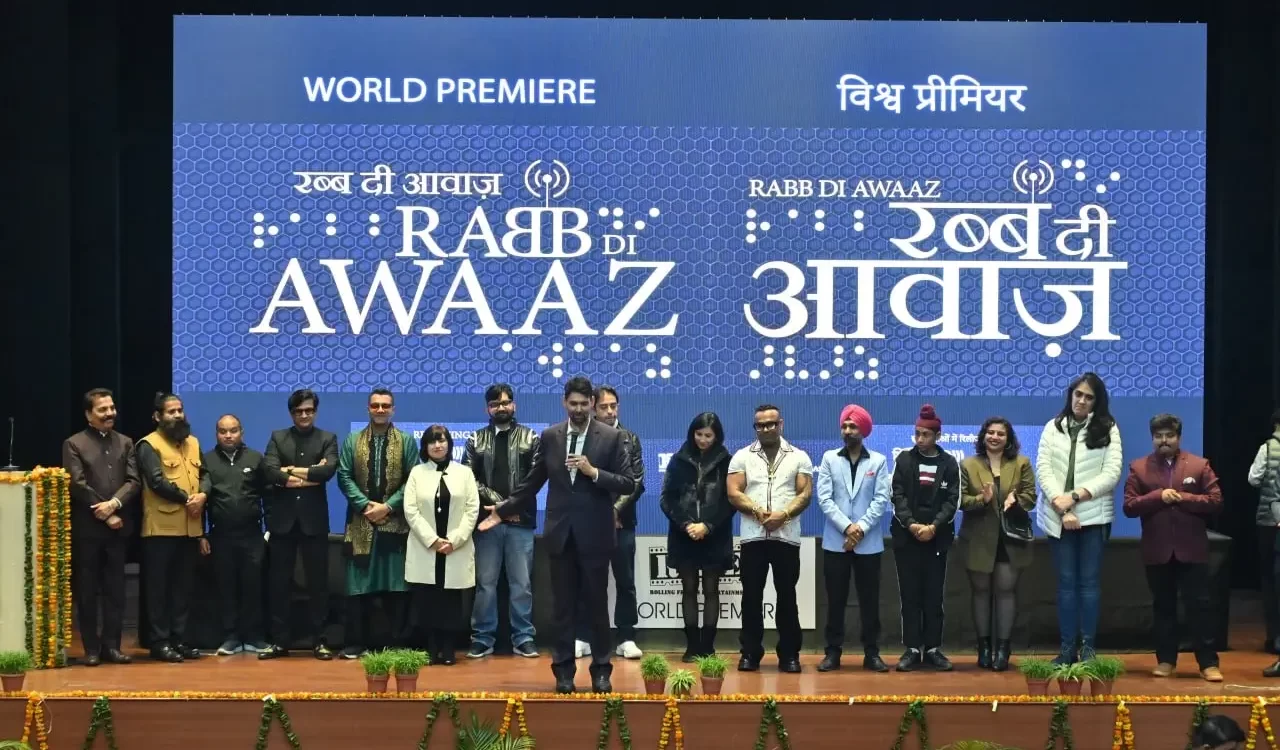
Released in December 2023, this Chandigarh-produced film garnered critical acclaim for its narrative and, more notably, for its pioneering multi-inclusive approach in production aspects and multi-accessible formats. Rabb Di Awaaz became the first film in Indian cinema history to receive censor certification in all accessible formats, including general, audio description, and sign language interpretation, well before the official guidelines were even conceived.
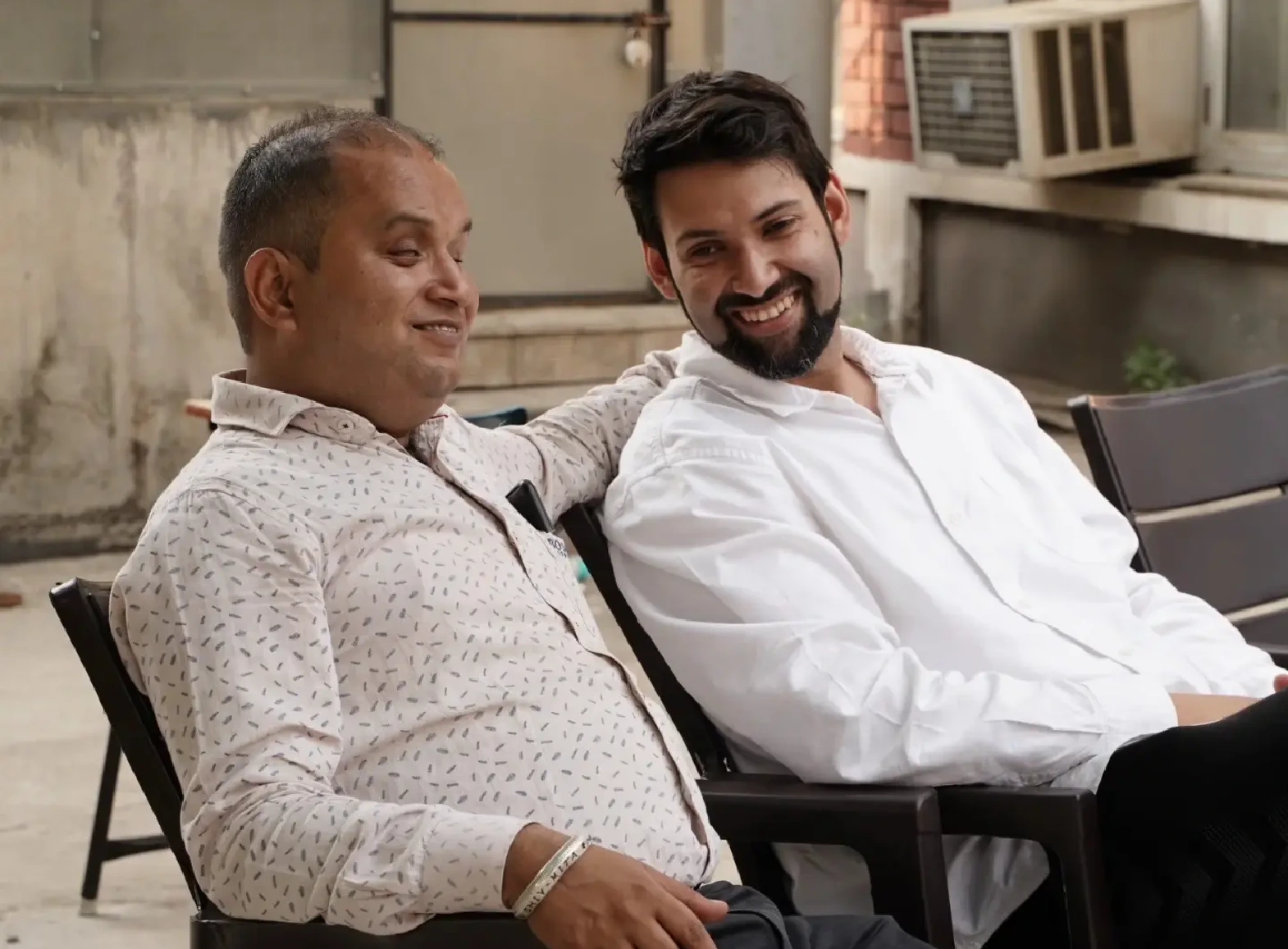
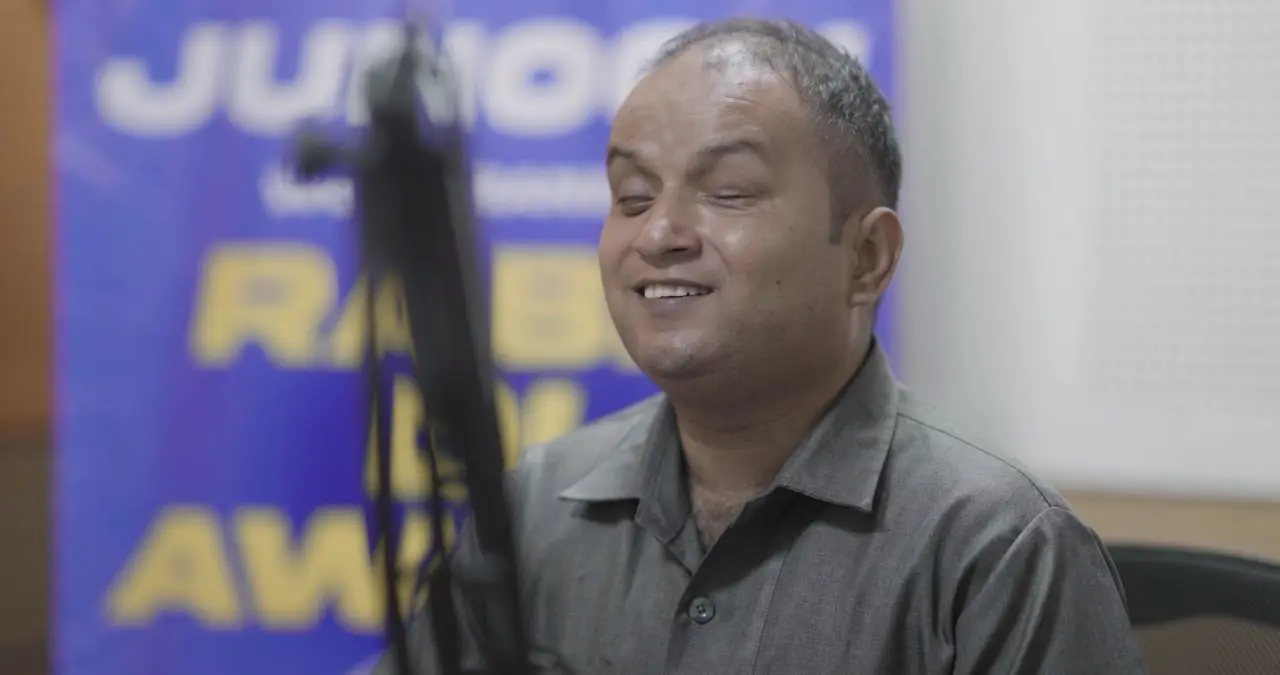
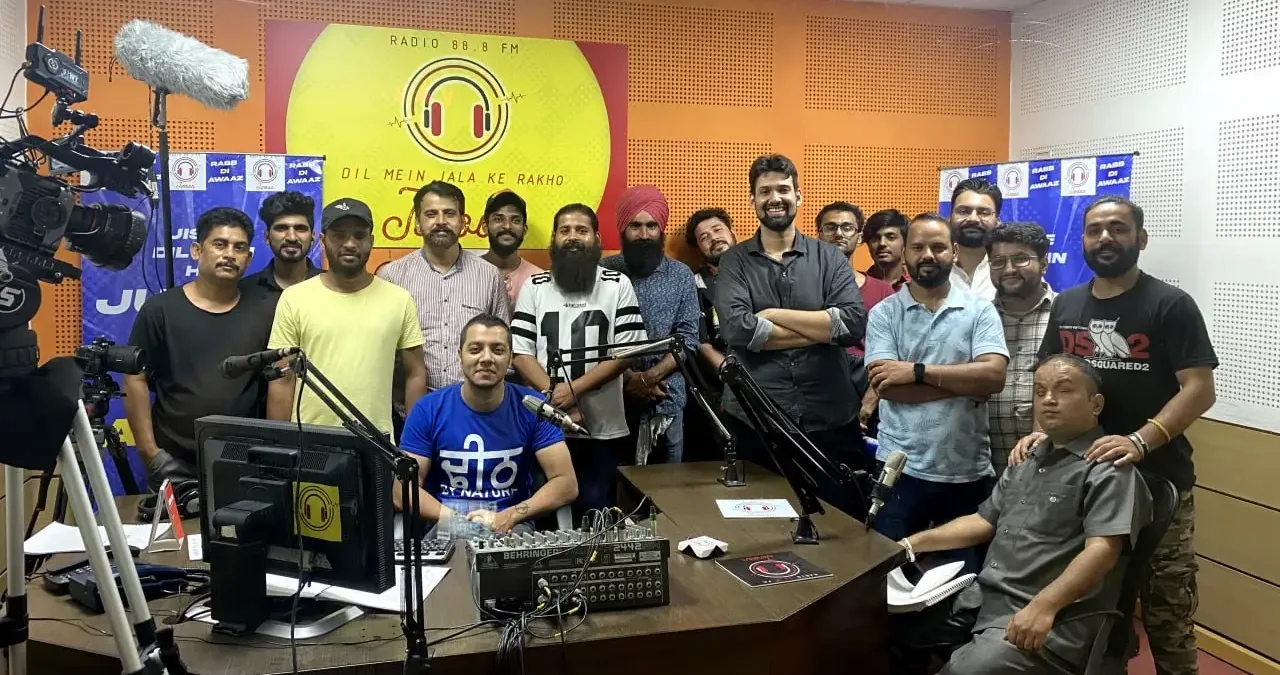
At the time of its release, accessibility features were optional additions, and inclusivity policies were not binding. Yet, National Award-winning film director Ojaswwee Sharma (Recipient of Special Jury Award at 68th National Film Awards, Government of India) made a conscious and commendable choice to embed these accessibility features directly into the film’s production. Furthermore, Ojaswwee Sharma introduced a person with visual impairment in a lead role and several supporting roles, and included several deaf signers for dialogue interpretation in Indian Sign Language. The film also featured several people with various disabilities such as Cerebral Palsy, Autism and Locomotor Disability in several supporting roles. This bold move further cemented Rabb Di Awaaz as a trailblazer and set an unprecedented standard for film-making from India.
Since its release two years ago, the uniqueness of Rabb Di Awaaz’s inclusivity has largely remained a matter of creative choice rather than an imposition within the industry. While the film showcased what was possible, the widespread adoption of such features remained voluntary. However, the film powerfully illustrates a crucial principle that accessibility is not merely an optional add-on but a fundamental guarantee of equal access to artistic and cultural experiences. By proactively integrating these elements, Rabb Di Awaaz effectively highlighted that accessibility is not a burden but rather an enriching extension of cinema’s universal appeal, expanding its reach and impact. The film Rabb Di Awaaz has also been honored with the prestigious Special Jury Award at the 20th We Care Film Festival by the United Nations in India, UNESCO and Brotherhood. This esteemed accolade was presented at the United Nations in India at a ceremony held at their New Delhi headquarters on May 15th, 2025.
The profound impact of Rabb Di Awaaz and the creator of the film – Ojaswwee Sharma’s visionary approach did not go unnoticed by regulatory bodies. The Central Board of Film Certification later invited National Award-winning director Ojaswwee Sharma, to serve as a resource person for guiding other producers on accessibility in New Delhi and in Chandigarh in August 2024. His involvement highlights the film’s role in shaping industry practices and shows how accessibility can be achieved even without formal mandates.
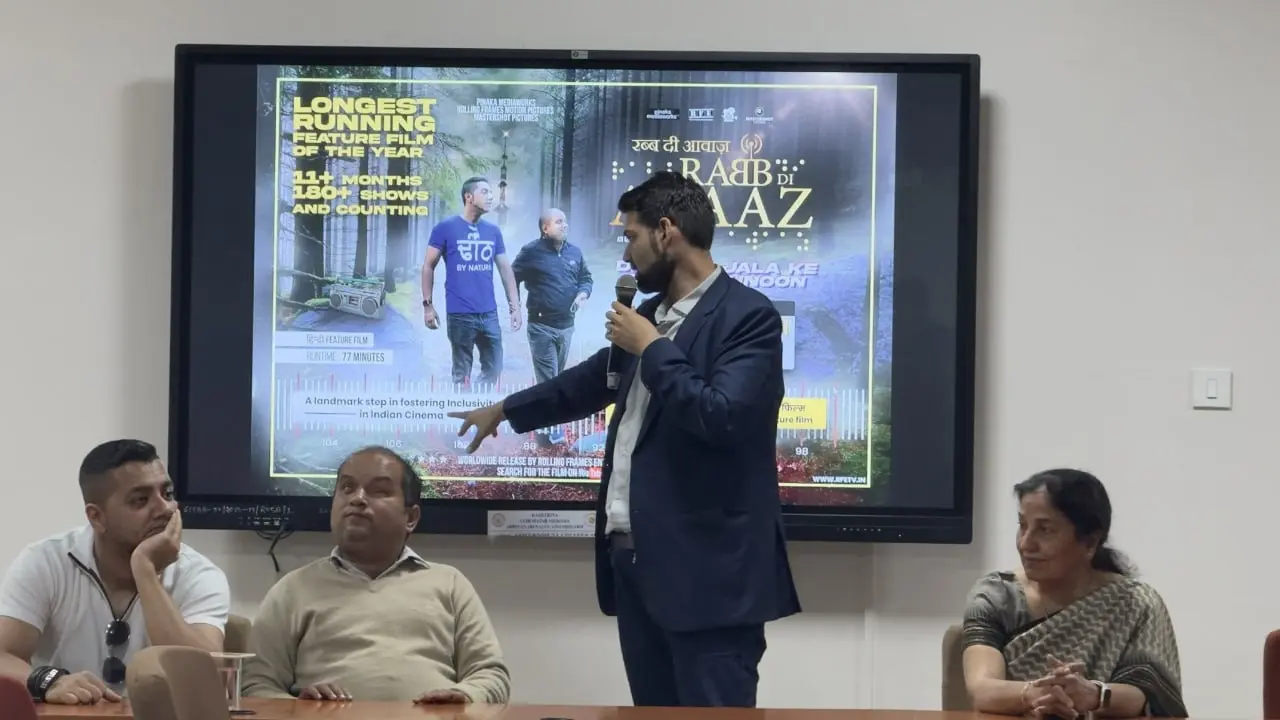
“Rabb Di Awaaz” is an initiative driven purely by its purpose, not by commercial profitability. The film has been screened to audiences across various states/UTs of India, including Chandigarh, Punjab, New Delhi, Goa, Himachal Pradesh, Gujarat, Uttar Pradesh, Uttarakhand, Haryana, Odisha, Jharkhand, Maharashtra, Jammu & Kashmir, Karnataka, Tamil Nadu, and across film festivals in California (United States), Leicester, London (UK), and Dhaka (Bangladesh), Janakpur (Nepal).
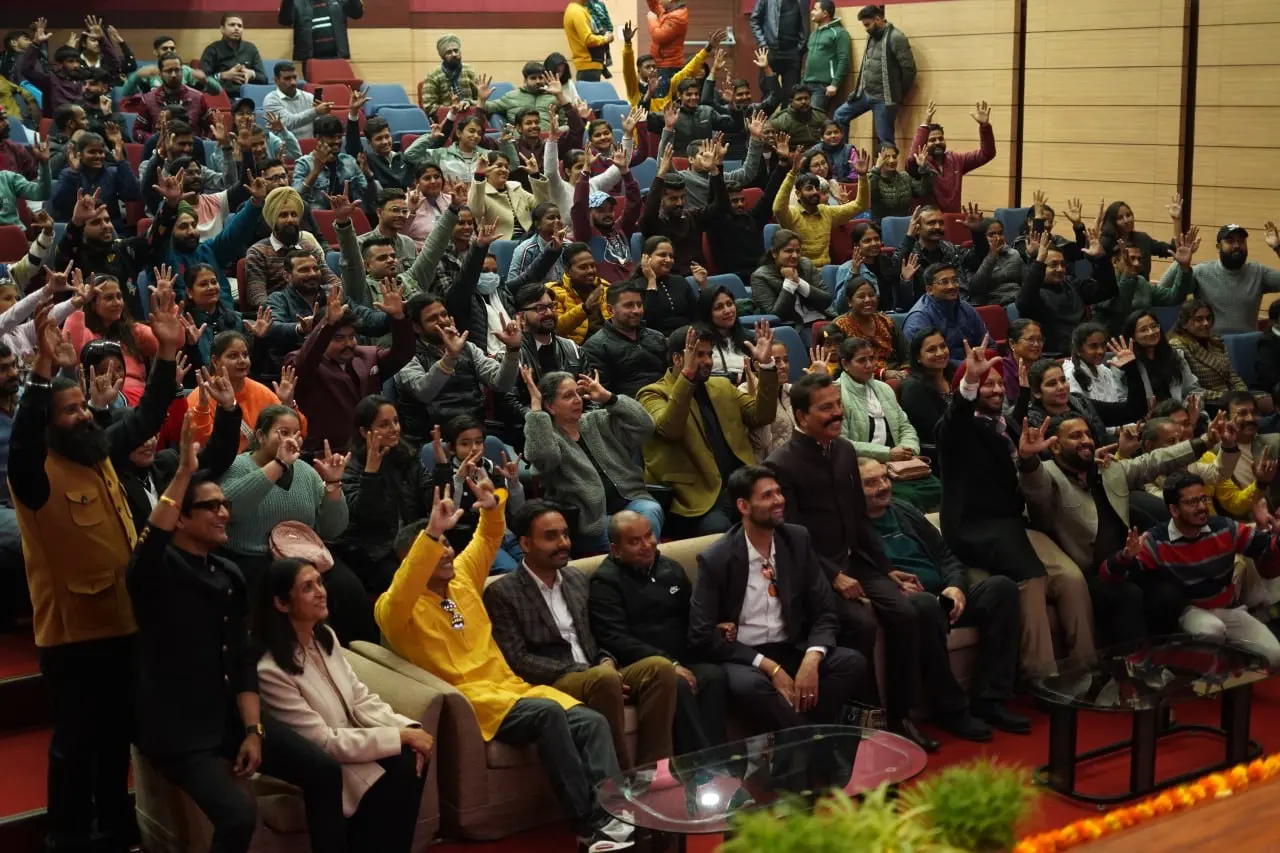
The film has had an unprecedented 275+ complimentary screenings across India, and a few festivals across several countries, specifically in India for educational institutions and underprivileged communities, introducing them to insightful cinema. This includes screenings at public and private schools, colleges of education, human resource development, training, colleges of law and legal studies, and educational institutions focusing on special and inclusive education.
Although there is no centralized data on how many films have adopted accessibility features, Rabb Di Awaaz stands as a social and systemic success and a landmark example. Its proactive and pioneering approach serves as a compelling blueprint, representing how cinema can effectively lead policy changes and cultural shifts, rather than merely following existing regulations. The film’s legacy will undoubtedly be that of a catalyst, inspiring a new era of inclusive storytelling and ensuring that the effective magic of cinema is truly accessible to all.
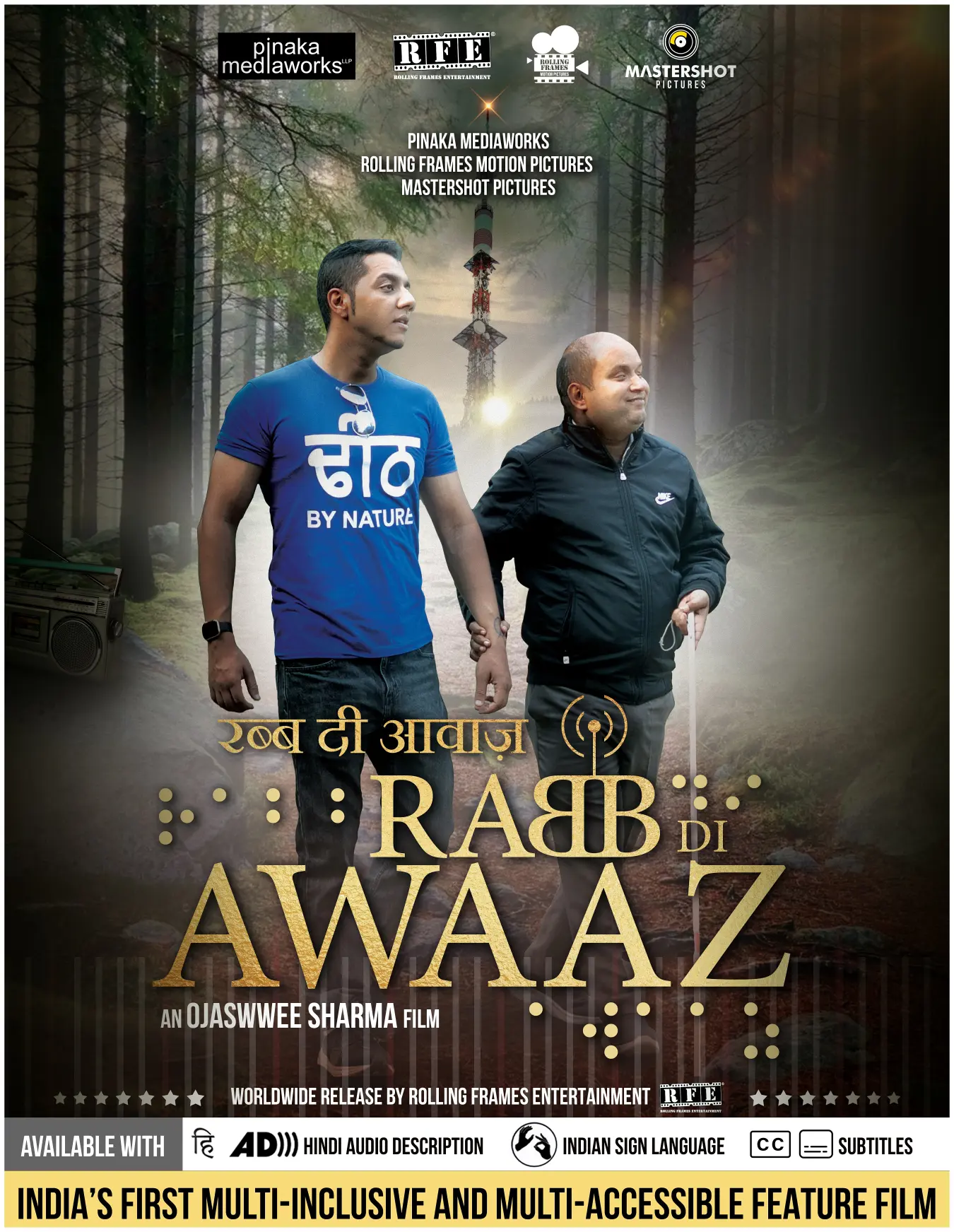
Rabb Di Awaaz, Produced by Pinaka Mediaworks, Rolling Frames Motion Pictures and Mastershot Pictures is available on YouTube in all the three formats – General, Hindi Audio Description, Indian Sign Language on the RFE TV – Rolling Frames Entertainment YouTube Channel. All the prints come with Subtitles/Closed Captions.
Watch Rabb Di Awaaz
India’s First Multi Inclusive & Multi Accessible Film

Rabb Di Awaaz Trailer

Rabb Di Awaaz – Full Movie (Hindi)

Rabb Di Awaaz – Hindi Audio Visual Description

Rabb Di Awaaz – Indian Sign Language
Trailing Developments


News Citations & Sources
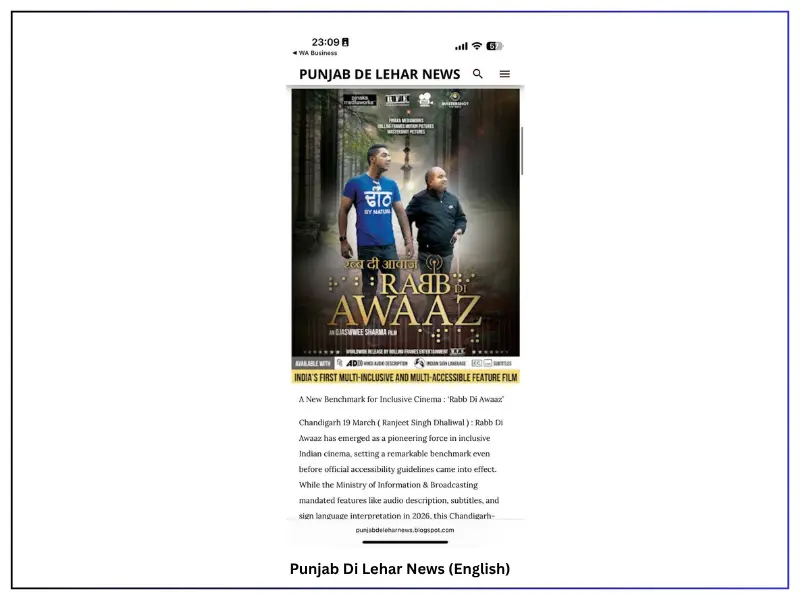
Source: Punjab De Lehar News (English)
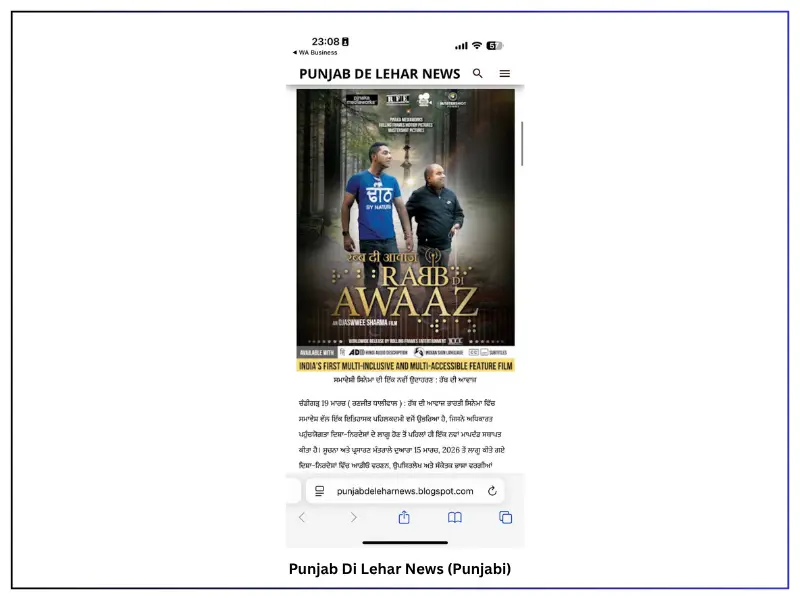
Source: Punjab De Lehar News (Punjabi)
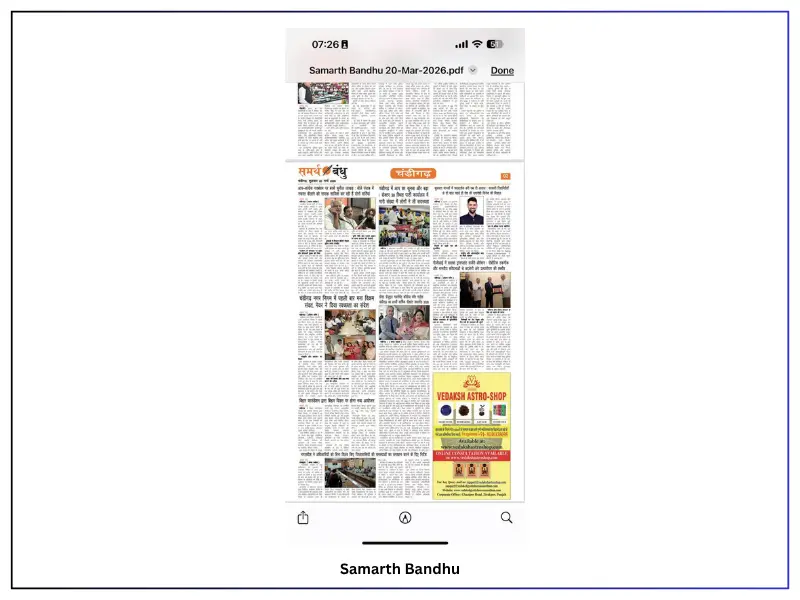
Source: Samarth Bandhu
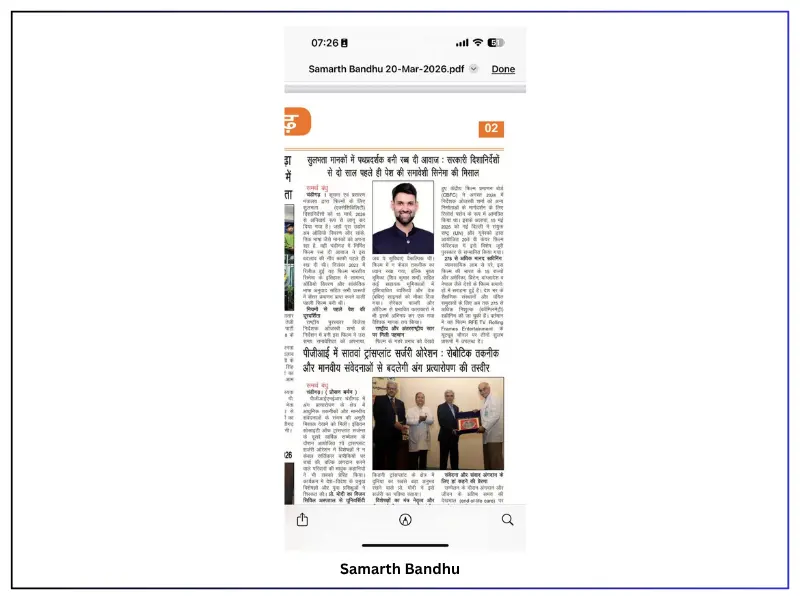
Source: Samarth Bandhu
Source: Chandigarh City News
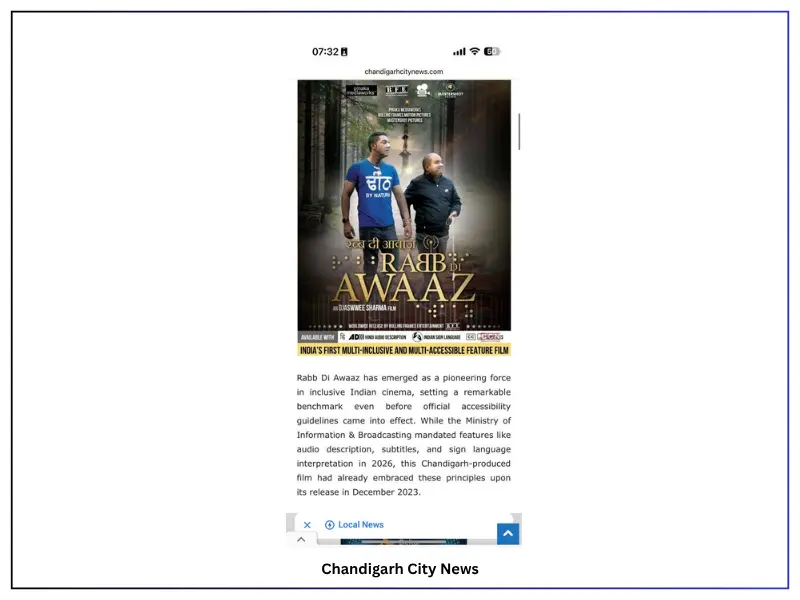
Source: Chandigarh City News
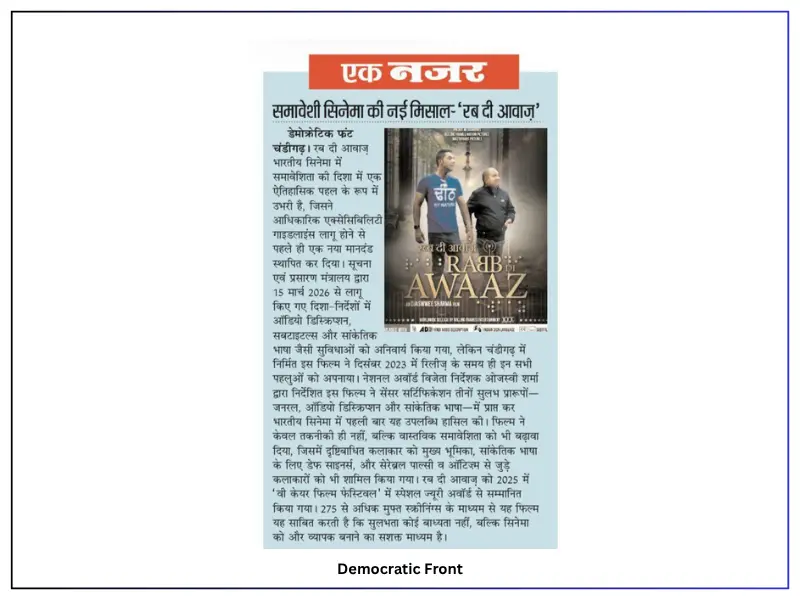
Source: Democratic Front
1. India Cine Hub
Link: https://indiacinehub.gov.in/sites/default/files/2025-04/uttarakhand_film_policyeng2024_repaired.pdf
Original Language: English
Title: The Uttarakhand Film Policy, 2024
Date: March 14, 2024
Source: India Cine Hub – PDF
2. Chandigarh City News
Original Language: English
Title: Rabb Di Awaaz has emerged as a pioneering force in inclusive Indian cinema
Date: March 20, 2026
Source: Chandigarh City News
3. Samarth Bandhu
Link: https://www.samarthbandhu.com/news/13458
Original Language: Hindi
Title: सुलभता मानकों में पथप्रदर्शक बनी ‘रब्ब दी आवाज़’ : सरकारी दिशानिर्देशों से दो साल पहले ही पेश की समावेशी सिनेमा की मिसाल
Date: March 20, 2026
Source: Samarth Bandhu
4. Punjab De Lehar News
Link: http://punjabdeleharnews.blogspot.com/2026/03/a-new-benchmark-for-inclusive-cinema.html
Original Language: English
Title: A New Benchmark for Inclusive Cinema: ‘Rabb Di Awaaz’
Date: March 19, 2026
Source: Punjab De Lehar News (English)
5. Punjab De Lehar News
Link: https://punjabdeleharnews.blogspot.com/2026/03/blog-post_445.html
Original Language: Punjabi
ਸਮਾਵੇਸ਼ੀ ਸਿਨੇਮਾ ਦੀ ਇੱਕ ਨਵੀਂ ਉਦਾਹਰਣ: ਰੱਬ ਦੀ ਆਵਾਜ਼
Title: A New Benchmark for Inclusive Cinema: ‘Rabb Di Awaaz’
Date: March 19, 2026
Source: Punjab De Lehar News (Punjabi)
‘रब्ब दी आवाज़’ ने समावेशी भारतीय सिनेमा का मार्ग प्रशस्त किया; आधिकारिक दिशानिर्देशों से पहले ही सुलभता (एक्सेसिबिलिटी) के मानक स्थापित किए
चना एवं प्रसारण मंत्रालय द्वारा फिल्मों के लिए सुलभता दिशानिर्देशों का हालिया कार्यान्वयन, जिसे 15 मार्च, 2024 को पेश किया गया और 15 मार्च, 2026 को लागू किया गया, दिव्यांगजन समुदाय और सुलभता अधिवक्ताओं द्वारा व्यापक रूप से सराहा गया है। ये दिशानिर्देश ऑडियो विवरण (ऑडियो डिस्क्रिप्शन), उपशीर्षक (सबटाइटल) और सांकेतिक भाषा अनुवाद जैसी आवश्यक सुविधाओं को अनिवार्य बनाते हैं, जिससे यह सुनिश्चित हो सके कि दृष्टिबाधित या मूक – बाधिर (श्रवण बाधित) दर्शक भी सिनेमाघरों अथवा अन्य प्रारूपों में फिल्मी अनुभव का पूरा आनंद ले सकें। जहाँ ये दिशानिर्देश एक महत्वपूर्ण नीतिगत विकास का प्रतिनिधित्व करते हैं, वहीं ‘रब्ब दी आवाज़’ ने भारतीय सिनेमा में इस परिवर्तनकारी बदलाव के उद्देष्य को काफ़ी पहले ही हासिल कर लिया था।।
दिसंबर 2023 में रिलीज़ हुई चंडीगढ़ में निर्मित इस फिल्म ने अपनी कथा के लिए आलोचनात्मक प्रशंसा हासिल की, और उससे भी महत्वपूर्ण बात यह रही कि इसने निर्माण के पहलुओं में अपनी अग्रणी बहु-समावेशी (multi-inclusive) दृष्टिकोण और बहु-सुलभ प्रारूपों (multi-accessible formats) के लिए सुर्खियां बटोरीं। ‘रब्ब दी आवाज़’ भारतीय सिनेमा के इतिहास में सामान्य, ऑडियो विवरण और सांकेतिक भाषा अनुवाद सहित सभी सुलभ प्रारूपों में सेंसर प्रमाणन प्राप्त करने वाली पहली फिल्म बनी, वह भी आधिकारिक दिशानिर्देशों की कल्पना किए जाने से बहुत पहले।
अपनी रिलीज़ के समय, सुलभता सुविधाएँ वैकल्पिक थीं और समावेशिता नीतियां अनिवार्य नहीं थीं। फिर भी, राष्ट्रीय पुरस्कार विजेता फिल्म निर्देशक ओजस्वी शर्मा (भारत सरकार के 68वें राष्ट्रीय फिल्म पुरस्कारों में विशेष जूरी पुरस्कार प्राप्तकर्ता) ने इन सुलभता सुविधाओं को सीधे फिल्म के निर्माण में शामिल करने का एक सचेत और सराहनीय विकल्प चुना। इसके अलावा, फिल्म निर्देशक श्री ओजस्वी शर्मा ने मुख्य भूमिका में (शिव कुमार शर्मा)और कई सहायक भूमिकाओं में दृष्टिबाधित व्यक्ति को पेश किया, और भारतीय सांकेतिक भाषा (ISL) में संवाद अनुवाद के लिए कई डेफ (बधिर) साइनर्स को शामिल किया। फिल्म में सेरेब्रल पाल्सी, ऑटिज्म और लोको-मोटर जैसे विभिन्न दिव्यांगजनों ने भी सहायक भूमिकाएँ निभाईं। इस साहसिक कदम ने ‘रब्ब दी आवाज़’ को एक पथप्रदर्शक के रूप में स्थापित किया और भारत से फिल्म निर्माण के लिए एक अभूतपूर्व मानक तय किया।
दो वर्ष पहले अपनी रिलीज़ के बाद से, ‘रब्ब दी आवाज़’ की समावेशिता की विशिष्टता उद्योग के भीतर किसी मजबूरी के बजाय रचनात्मक पसंद का मामला बनी रही है। जहाँ फिल्म ने यह दिखाया कि क्या संभव है, वहीं ऐसी सुविधाओं को अपनाना स्वैच्छिक रहा। हालाँकि, यह फिल्म शक्तिशाली रूप से एक महत्वपूर्ण सिद्धांत का उदाहरण पेश करती है कि सुलभता केवल एक वैकल्पिक जोड़ नहीं है, बल्कि कलात्मक और सांस्कृतिक अनुभवों तक समान पहुंच की एक मौलिक गारंटी है। सक्रिय रूप से इन तत्वों को एकीकृत करके, ‘रब्ब दी आवाज़’ ने प्रभावी रूप से इस बात पर प्रकाश डाला कि सुलभता कोई बोझ नहीं है, बल्कि सिनेमा की सार्वभौमिक अपील का एक समृद्ध विस्तार है, जो इसकी पहुंच और प्रभाव को बढ़ाता है। फिल्म ‘रब्ब दी आवाज़’ को भारत में संयुक्त राष्ट्र (UN), यूनेस्को और ब्रदरहुड द्वारा 20वें ‘वी केयर फिल्म फेस्टिवल’ में प्रतिष्ठित विशेष जूरी पुरस्कार से भी सम्मानित किया गया है। यह प्रतिष्ठित सम्मान 15 मई, 2025 को नई दिल्ली स्थित उनके मुख्यालय में आयोजित एक समारोह में भारत में संयुक्त राष्ट्र द्वारा प्रदान किया गया था।
‘रब्ब दी आवाज़’ के गहरे प्रभाव और फिल्म के निर्माता ओजस्वी शर्मा के दूरदर्शी दृष्टिकोण पर नियामक निकायों का भी ध्यान गया। केंद्रीय फिल्म प्रमाणन बोर्ड (CBFC) ने बाद में राष्ट्रीय पुरस्कार विजेता निर्देशक ओजस्वी शर्मा को अगस्त 2024 में नई दिल्ली और चंडीगढ़ में सुलभता पर अन्य निर्माताओं का मार्गदर्शन करने के लिए एक ‘रिसोर्स पर्सन’ (विषय विशेषज्ञ) के रूप में आमंत्रित किया। उनकी भागीदारी उद्योग की प्रथाओं को आकार देने में फिल्म की भूमिका को रेखांकित करती है और दिखाती है कि औपचारिक आदेशों के बिना भी सुलभता कैसे प्राप्त की जा सकती है।
‘रब्ब दी आवाज़’ विशुद्ध रूप से अपने उद्देश्य से संचालित एक पहल है, न कि व्यावसायिक लाभ से। इस फिल्म को भारत के विभिन्न राज्यों और केंद्र शासित प्रदेशों में प्रदर्शित किया गया है, जिनमें चंडीगढ़, पंजाब, नई दिल्ली, गोवा, हिमाचल प्रदेश, गुजरात, उत्तर प्रदेश, उत्तराखंड, हरियाणा, ओडिशा, झारखंड, महाराष्ट्र, जम्मू-कश्मीर, कर्नाटक और तमिलनाडु शामिल हैं। साथ ही कैलिफोर्निया (अमेरिका), लीसेस्टर, लंदन (यूके), ढाका (बांग्लादेश) और जनकपुर (नेपाल) के फिल्म समारोहों में भी इसे दिखाया गया है।
फिल्म ने भारत भर में 275 से अधिक अभूतपूर्व मानद (complimentary) स्क्रीनिंग की है, और कई देशों के कुछ समारोहों में हिस्सा लिया है, विशेष रूप से भारत में शैक्षणिक संस्थानों और वंचित समुदायों के लिए, उन्हें व्यावहारिक सिनेमा से परिचित कराया है। इसमें सार्वजनिक और निजी स्कूलों, शिक्षा महाविद्यालयों, मानव संसाधन विकास, प्रशिक्षण केंद्रों, कानून और कानूनी अध्ययन के कॉलेजों, और विशेष एवं समावेशी शिक्षा पर ध्यान केंद्रित करने वाले शैक्षणिक संस्थानों में की गई स्क्रीनिंग शामिल हैं।
हालाँकि इस बारे में कोई केंद्रीकृत डेटा नहीं है कि कितनी फिल्मों ने सुलभता सुविधाओं को अपनाया है, ‘रब्ब दी आवाज़’ एक सामाजिक और प्रणालीगत सफलता और एक ऐतिहासिक उदाहरण के रूप में खड़ी है। इसका सक्रिय और अग्रणी दृष्टिकोण एक सम्मोहक खाका (ब्लूप्रिंट) के रूप में कार्य करता है, जो यह दर्शाता है कि सिनेमा कैसे केवल मौजूदा नियमों का पालन करने के बजाय प्रभावी रूप से नीतिगत बदलावों और सांस्कृतिक परिवर्तनों का नेतृत्व कर सकता है। फिल्म की विरासत निस्संदेह एक उत्प्रेरक की होगी, जो समावेशी कहानी कहने के एक नए युग को प्रेरित करेगी और यह सुनिश्चित करेगी कि सिनेमा का जादू वास्तव में सभी के लिए सुलभ हो।
पिनाका मीडियावर्क्स, रोलिंग फ्रेम्स मोशन पिक्चर्स और मास्टरशॉट पिक्चर्स द्वारा निर्मित ‘रब्ब दी आवाज़’, YouTube पर तीनों प्रारूपों – सामान्य, हिंदी ऑडियो विवरण और भारतीय सांकेतिक भाषा में ‘RFE TV – Rolling Frames Entertainment’ YouTube चैनल पर उपलब्ध है। सभी प्रिंट उपशीर्षक (सबटाइटल)/क्लोज्ड कैप्शन के साथ आते हैं।