Disclaimer: This article has been written from the Production Company’s Office of Pinaka Mediaworks, one of the producers of the film Rabb Di Awaaz.
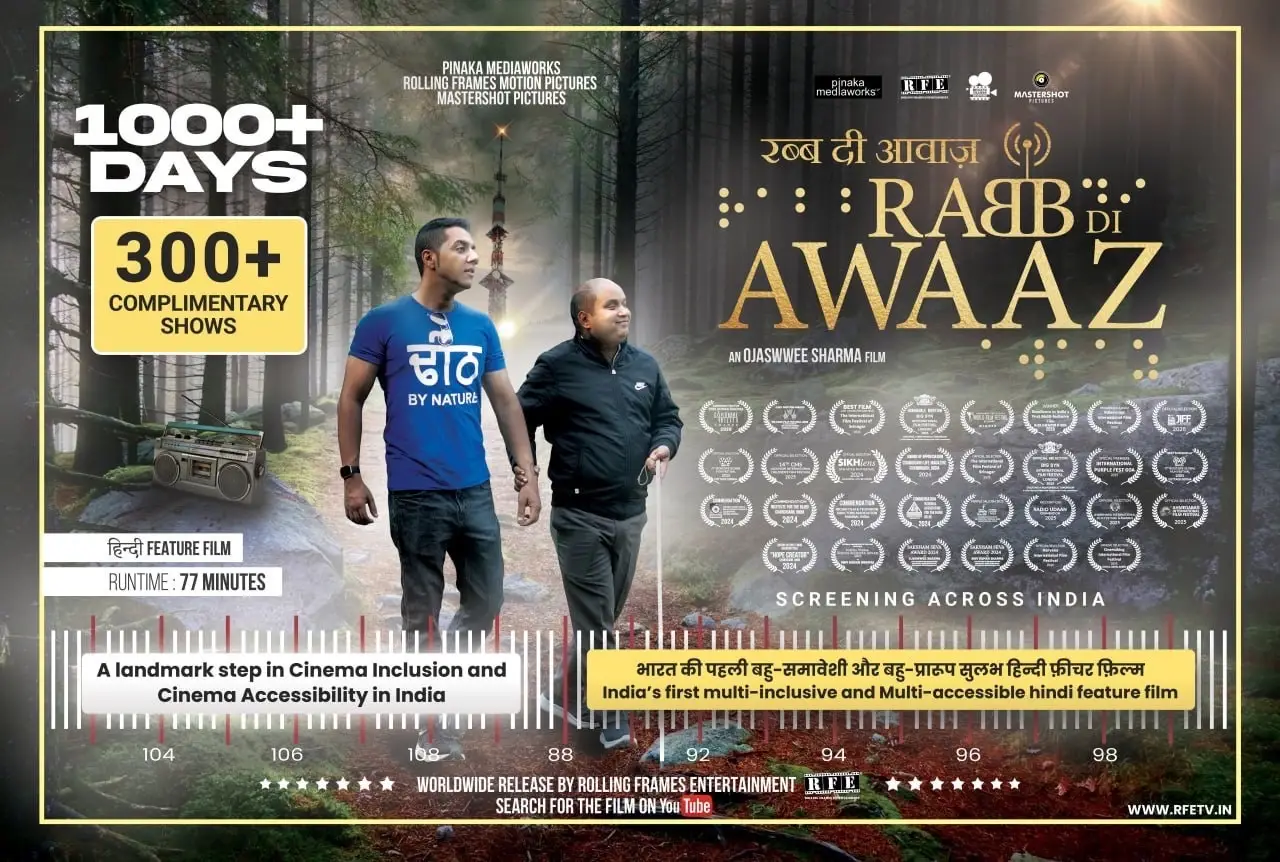
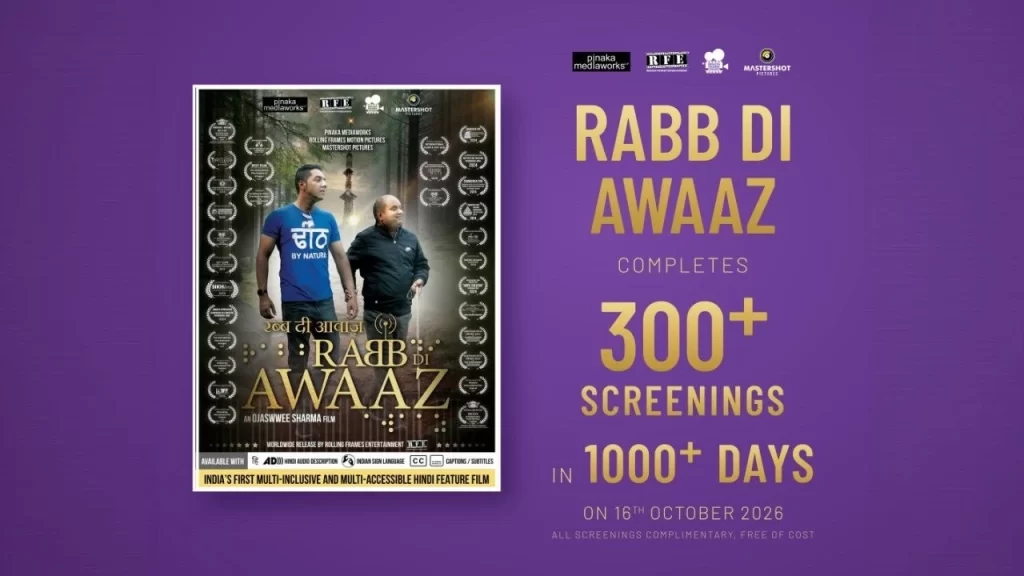
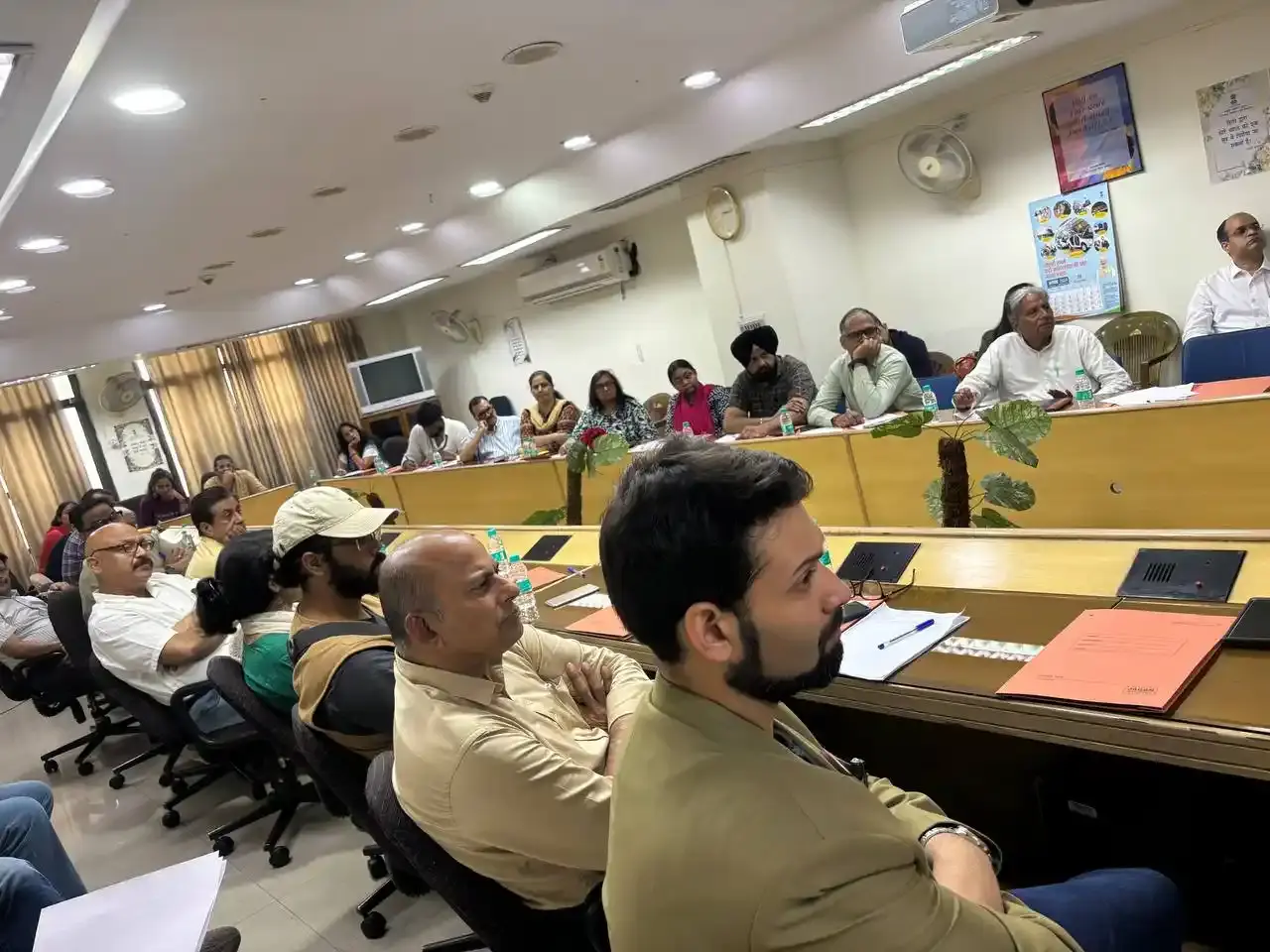
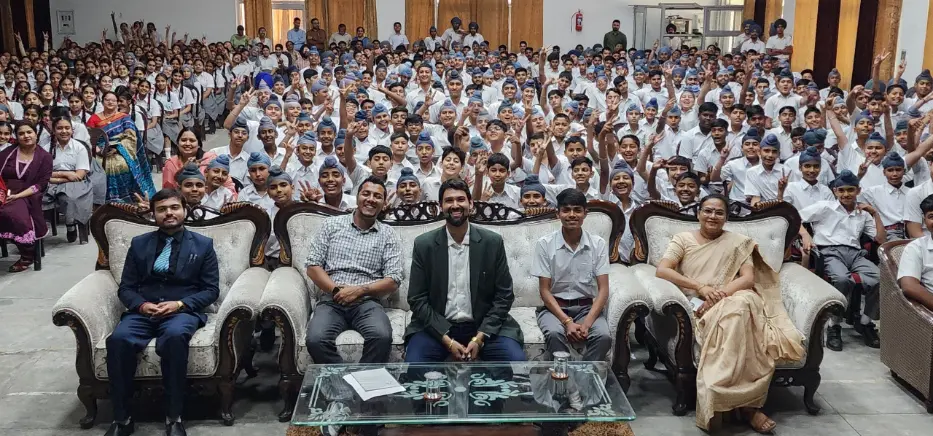
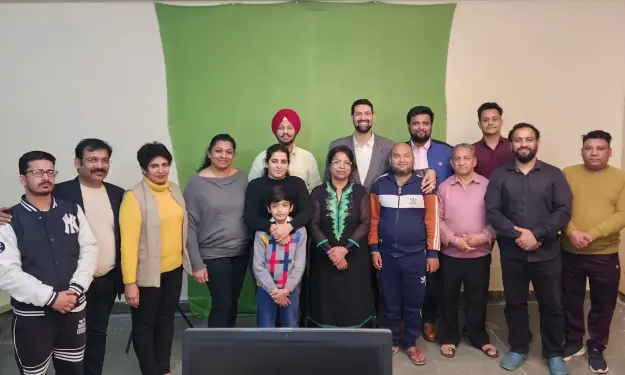
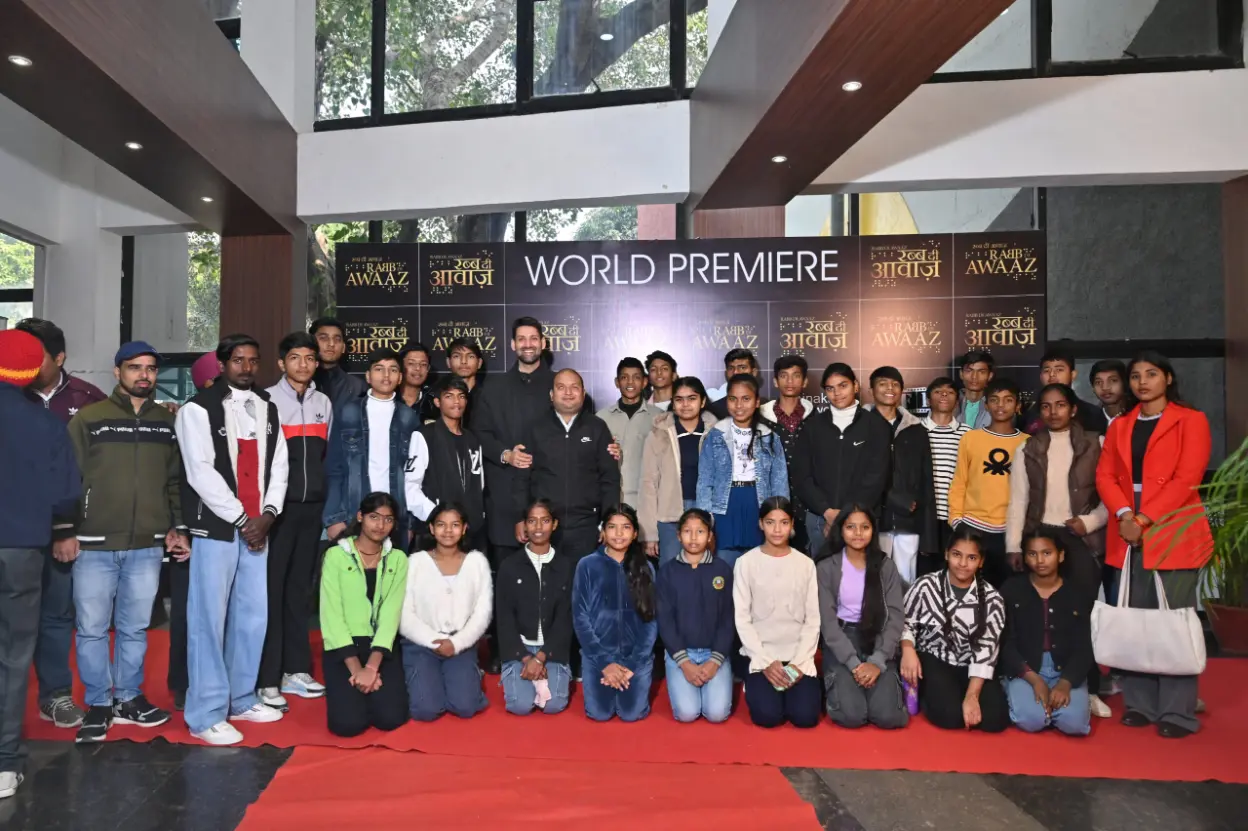
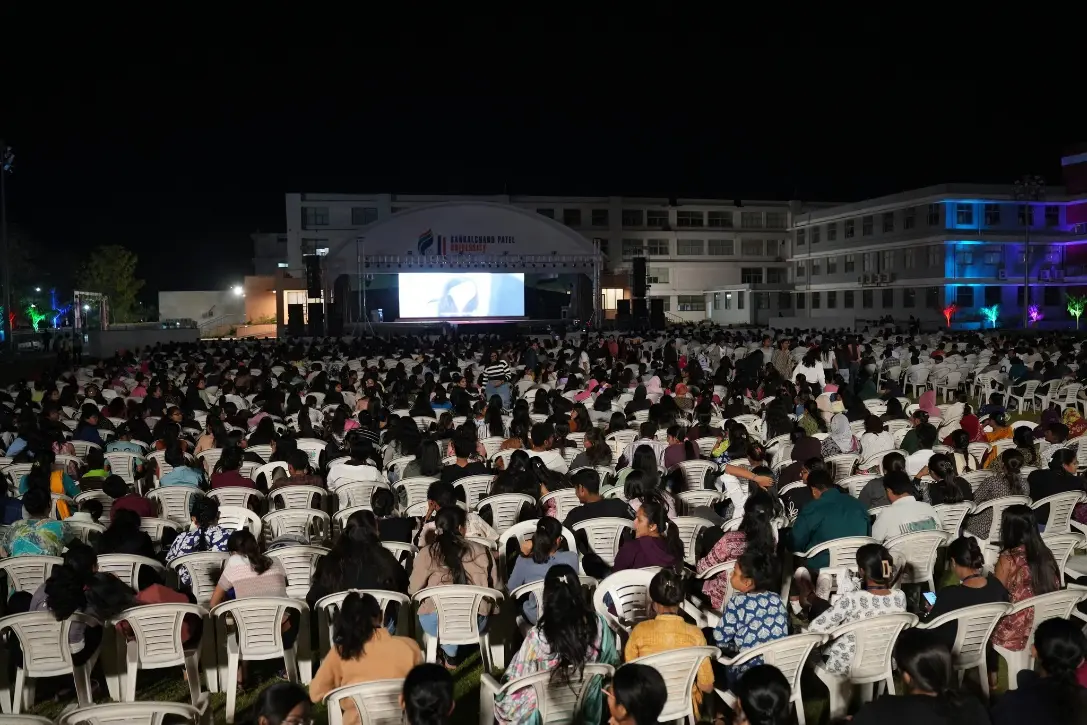
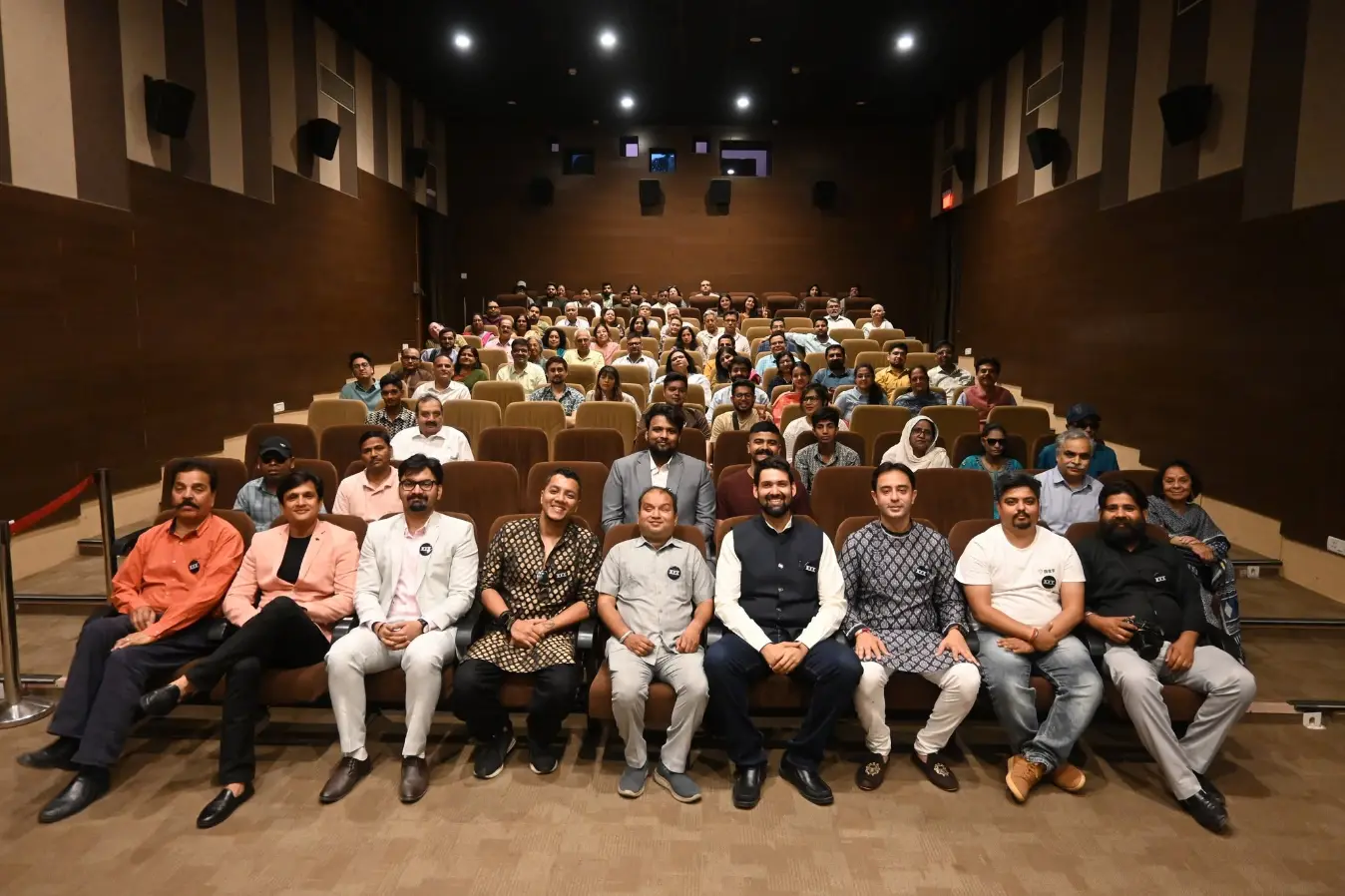
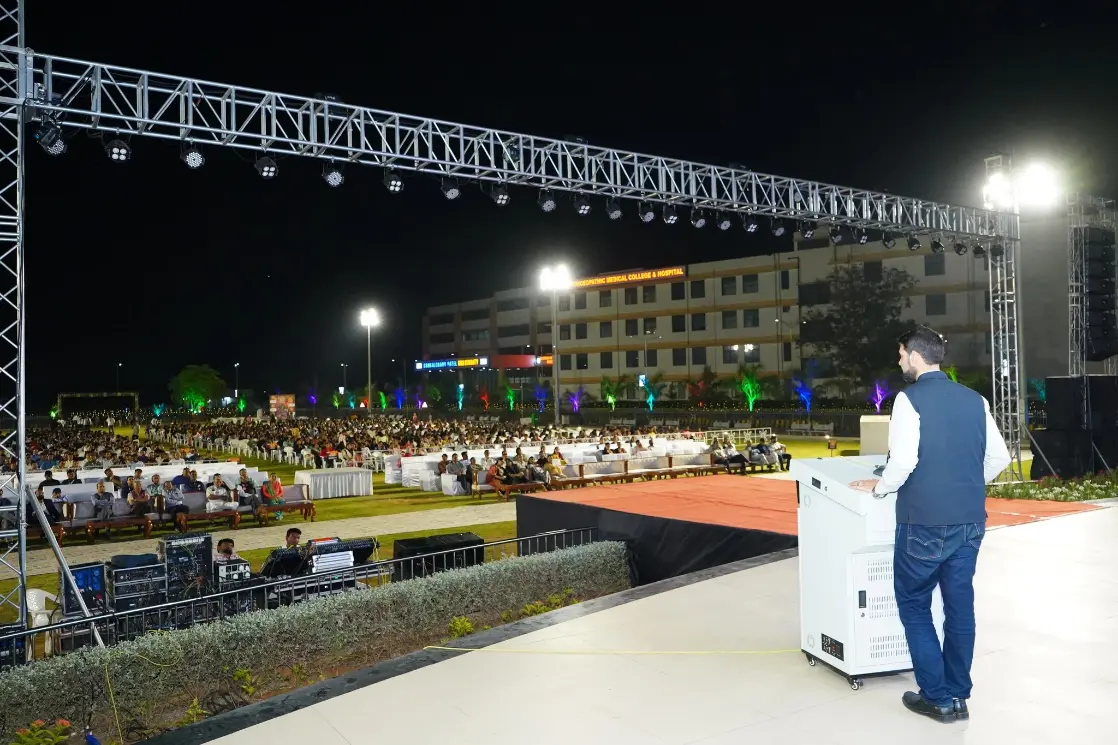
Most films have a short life. They open, they are talked about for a few weeks, and then they quietly move on. Rabb Di Awaaz has done the opposite. Nearly three years after its release, India’s first multi-inclusive and multi-accessible Hindi feature film has crossed 300 screenings, and the invitations are still coming in.
Directed by National Award winning film director Ojaswwee Sharma, the film is produced by Pinaka Mediaworks, Rolling Frames Motion Pictures and Mastershot Pictures, and was released worldwide by RFE TV Rolling Frames Entertainment. It was made so that everyone could watch it, whatever their age or ability. That intention has shaped its whole journey.
A film that opens its doors to everyone
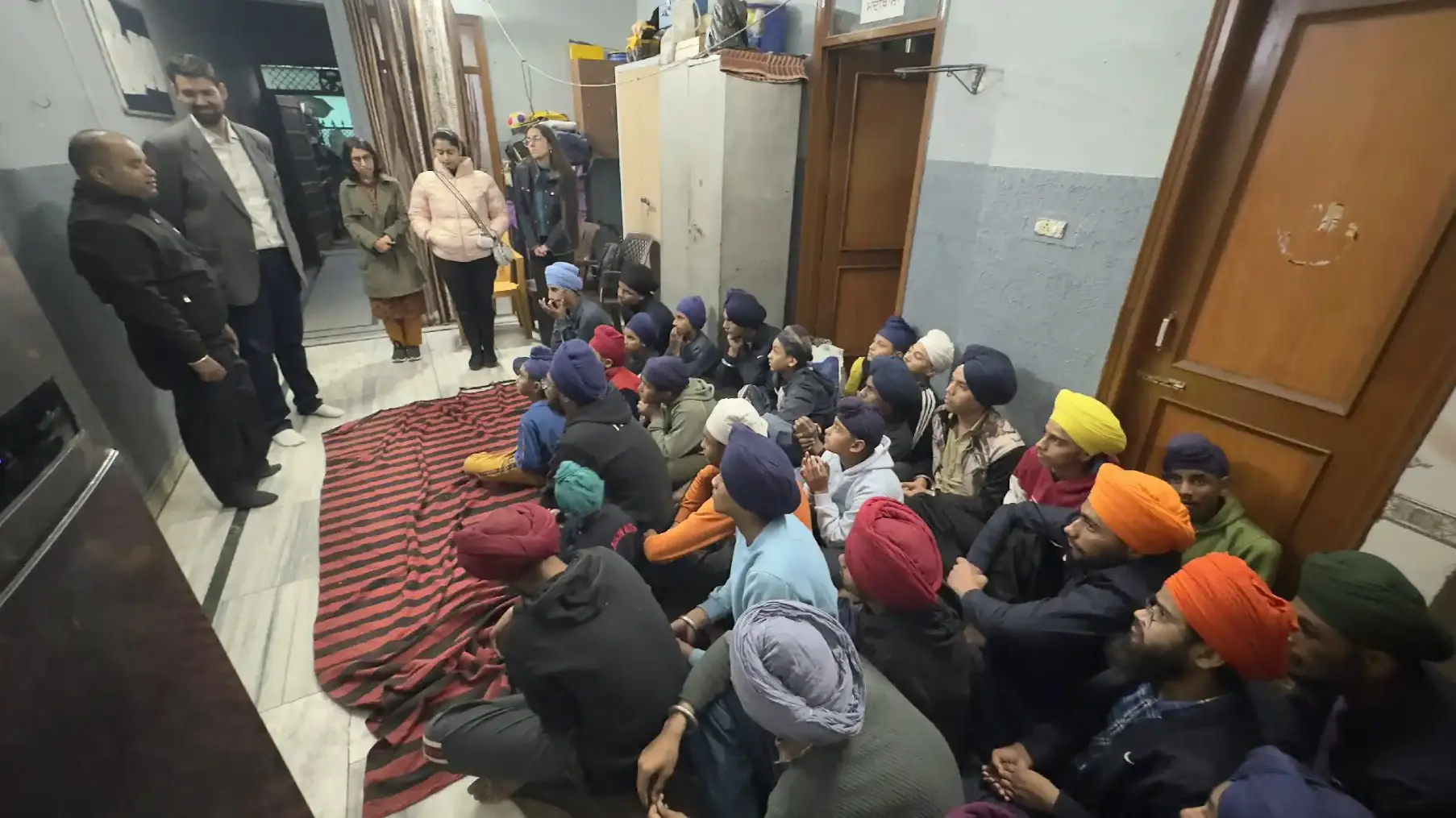
Every screening of Rabb Di Awaaz, across India and abroad, has been free. No ticket, no fee, and no one asked to pay to sit in the audience. The film is also available on YouTube, where lakhs of viewers have watched it across all its formats. These include the regular version, a version with Hindi audio description for people with low vision or visual impairment, and a version with Indian Sign Language for the hearing impaired.
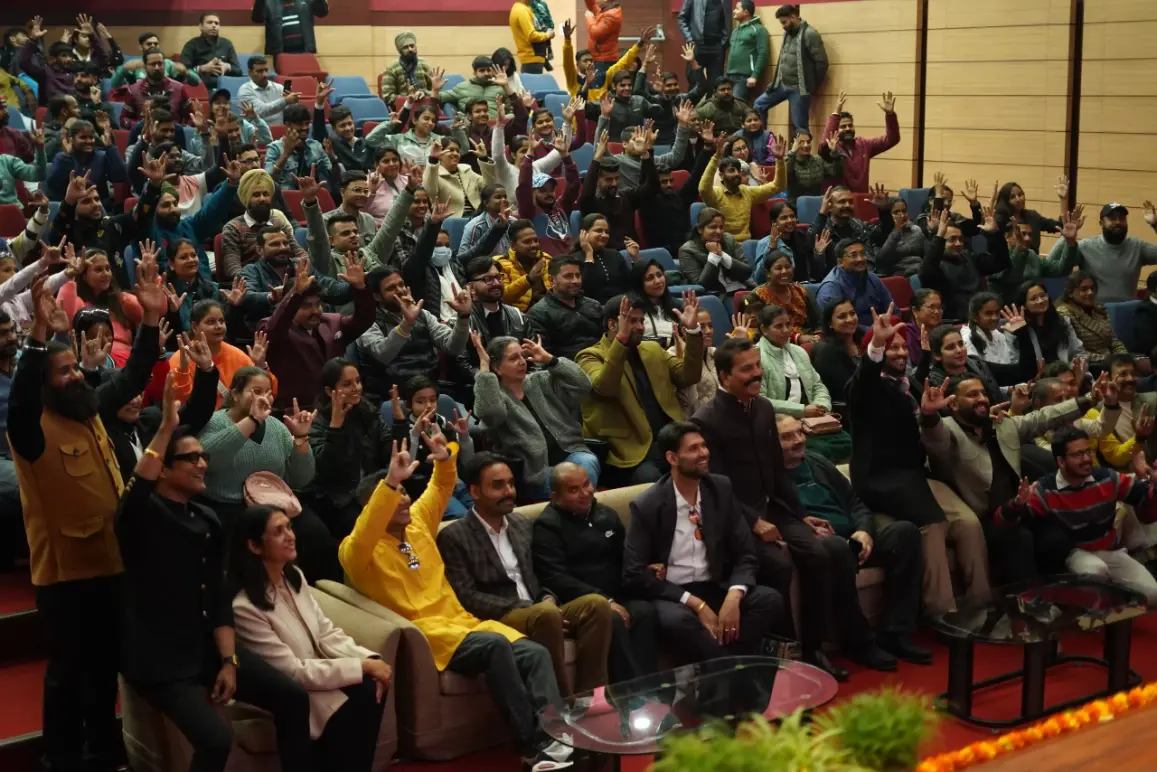
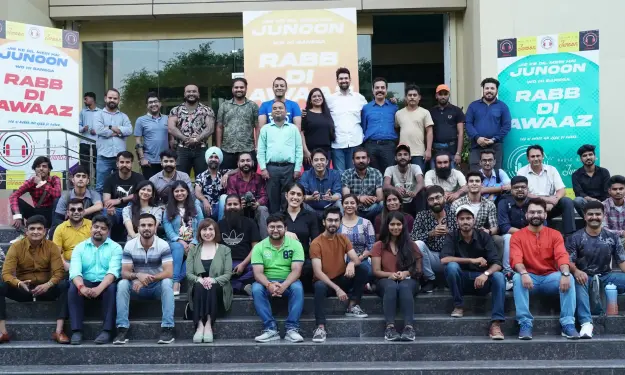
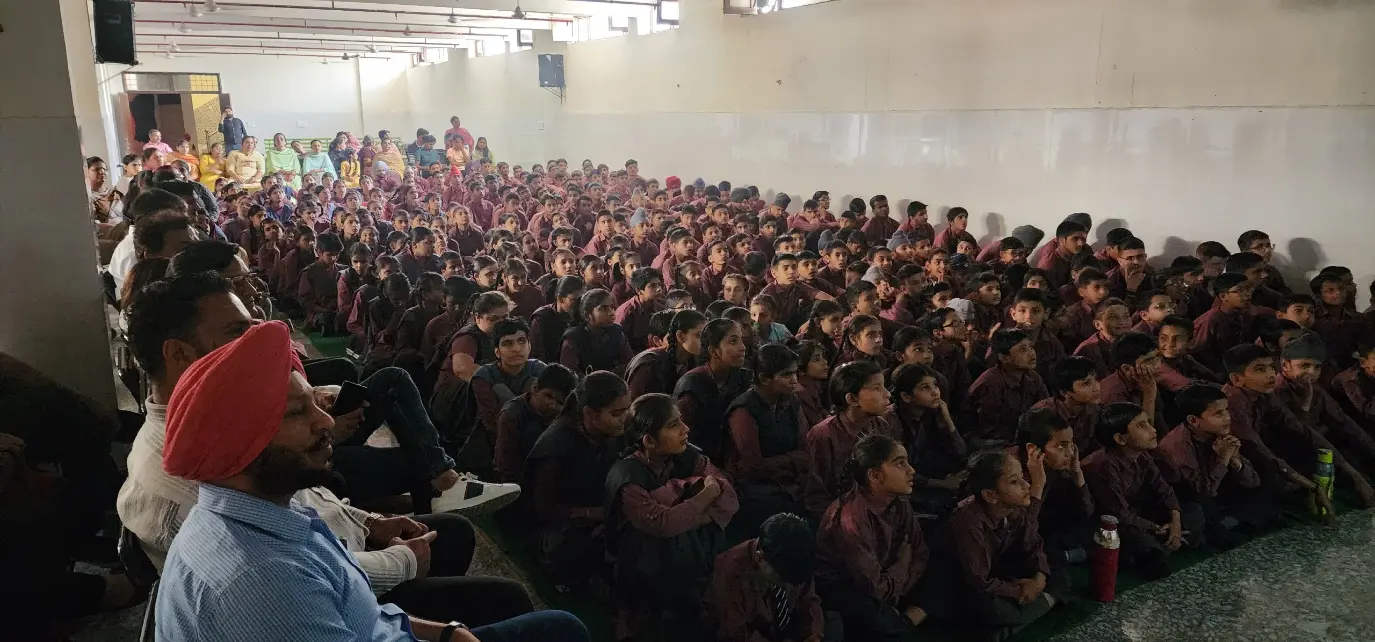
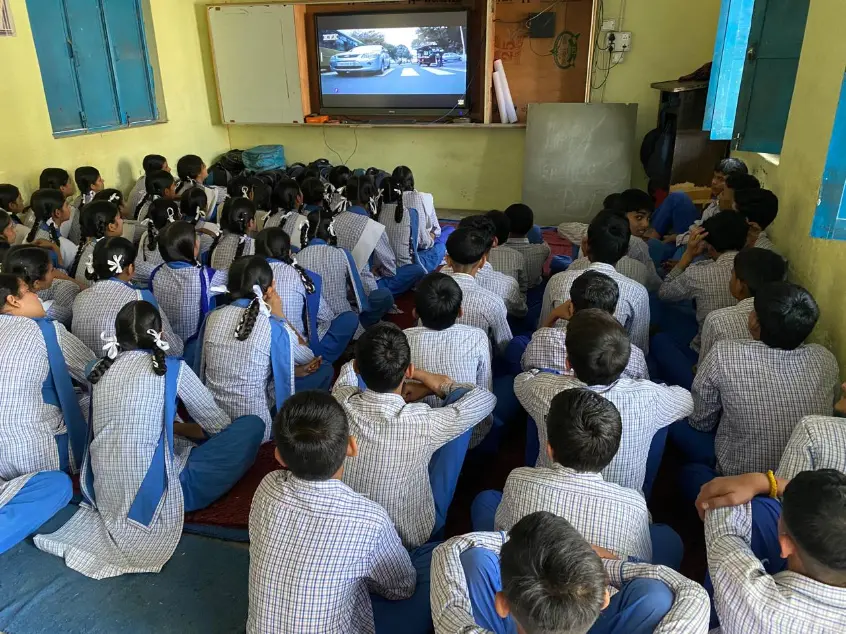
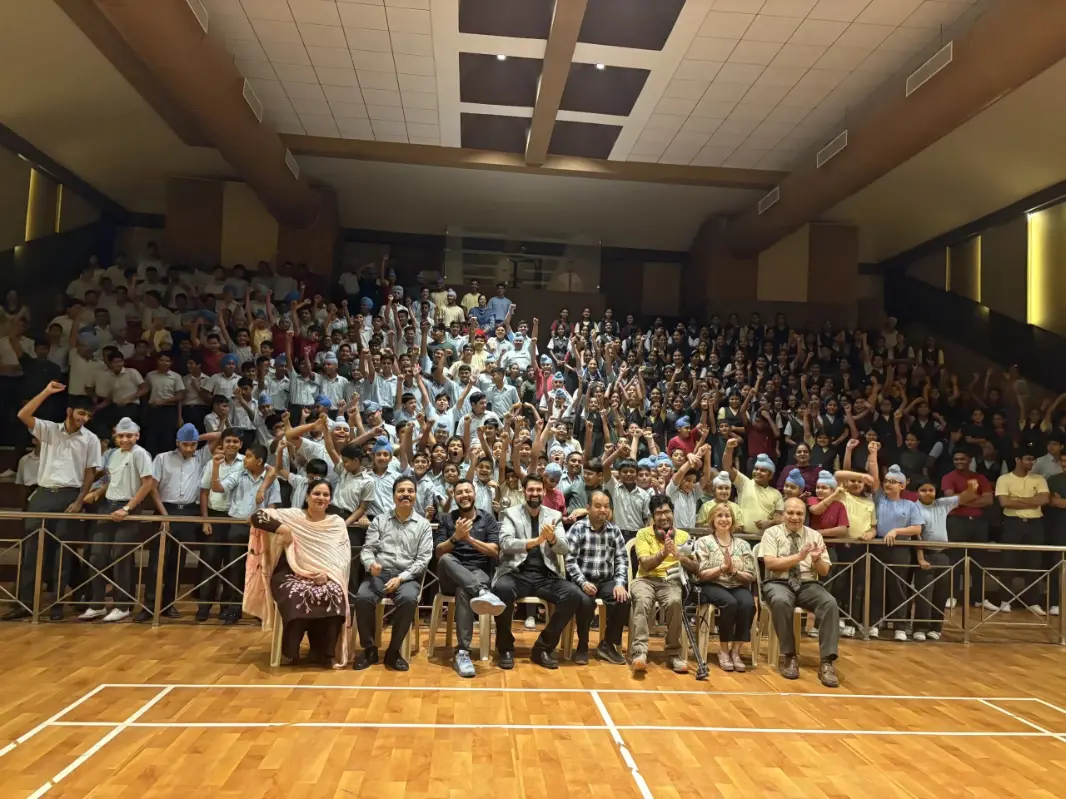
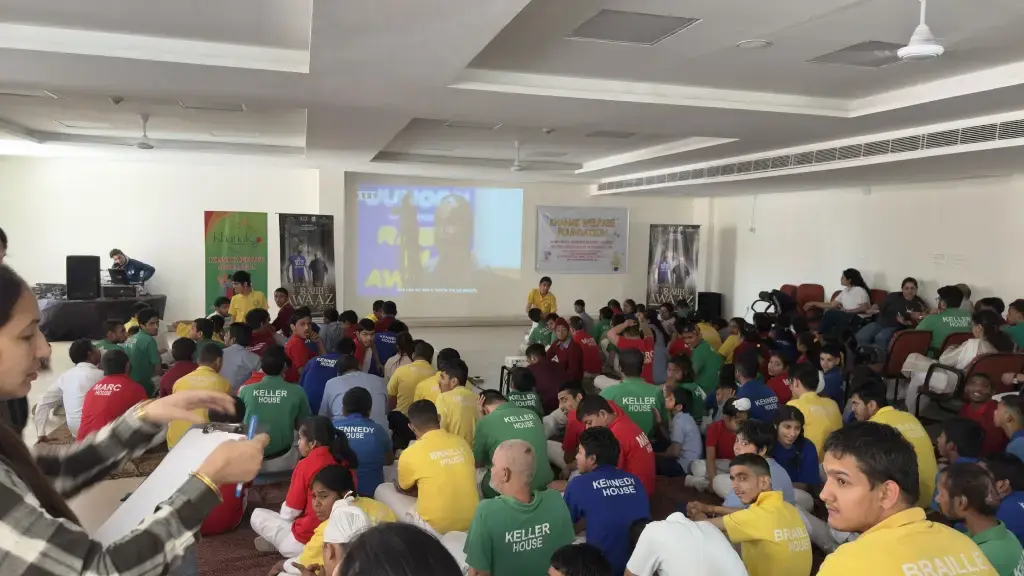
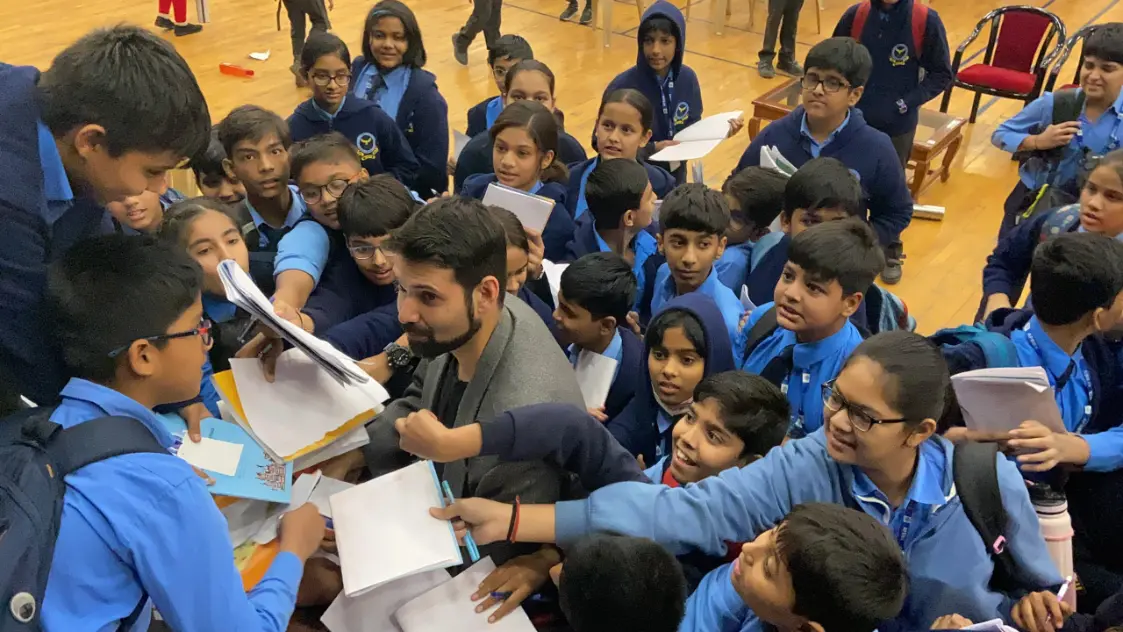
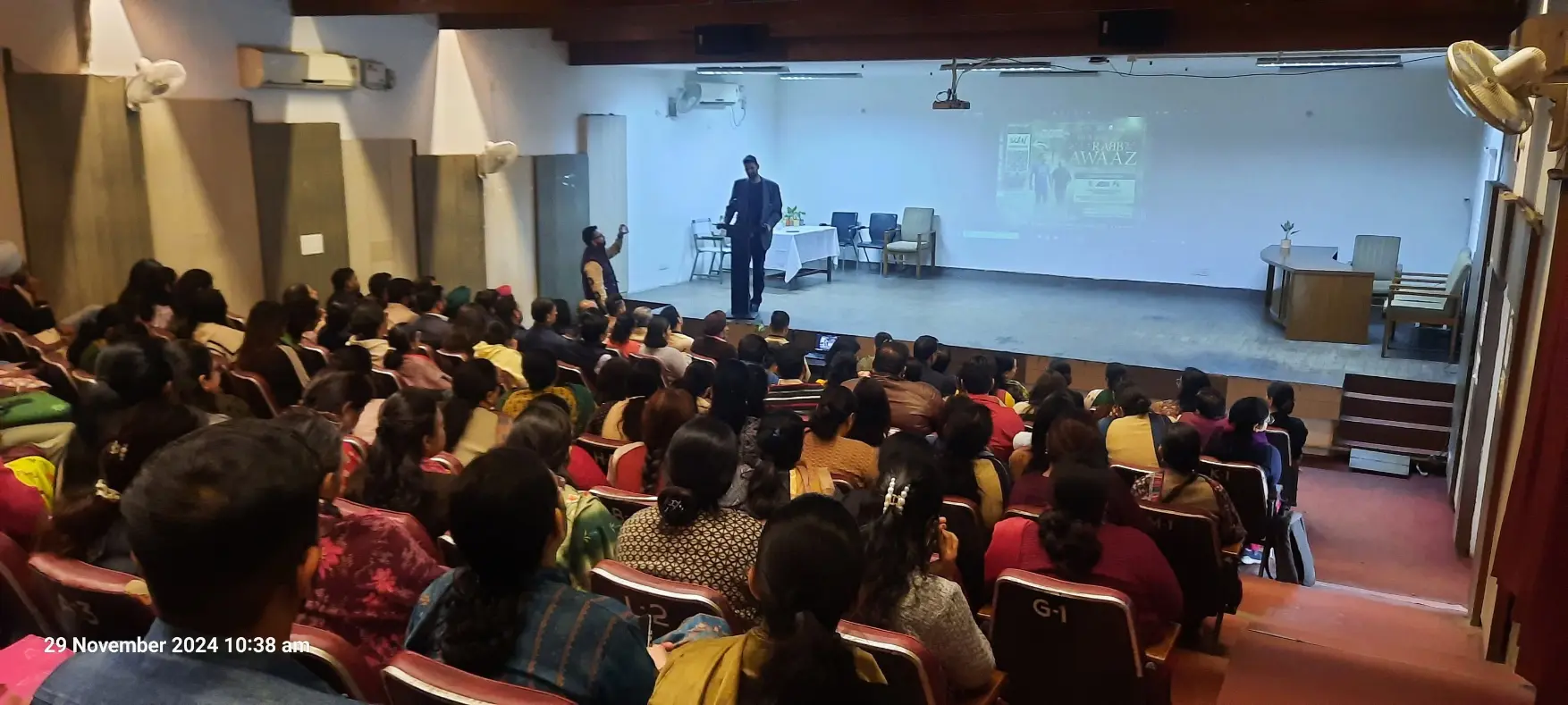
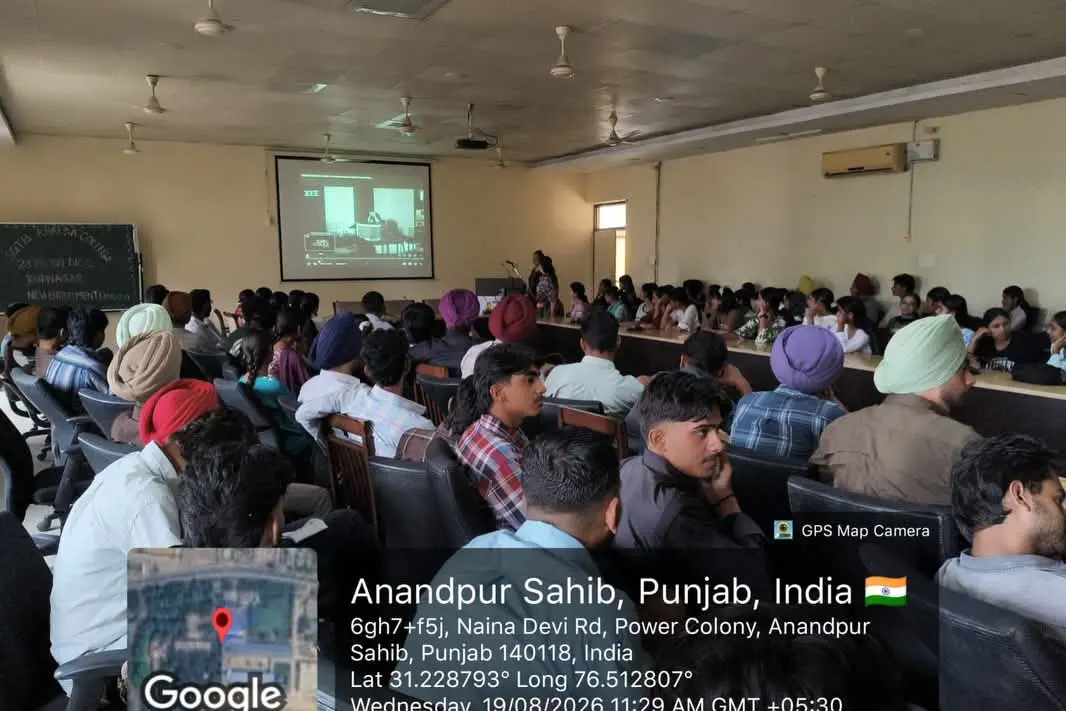
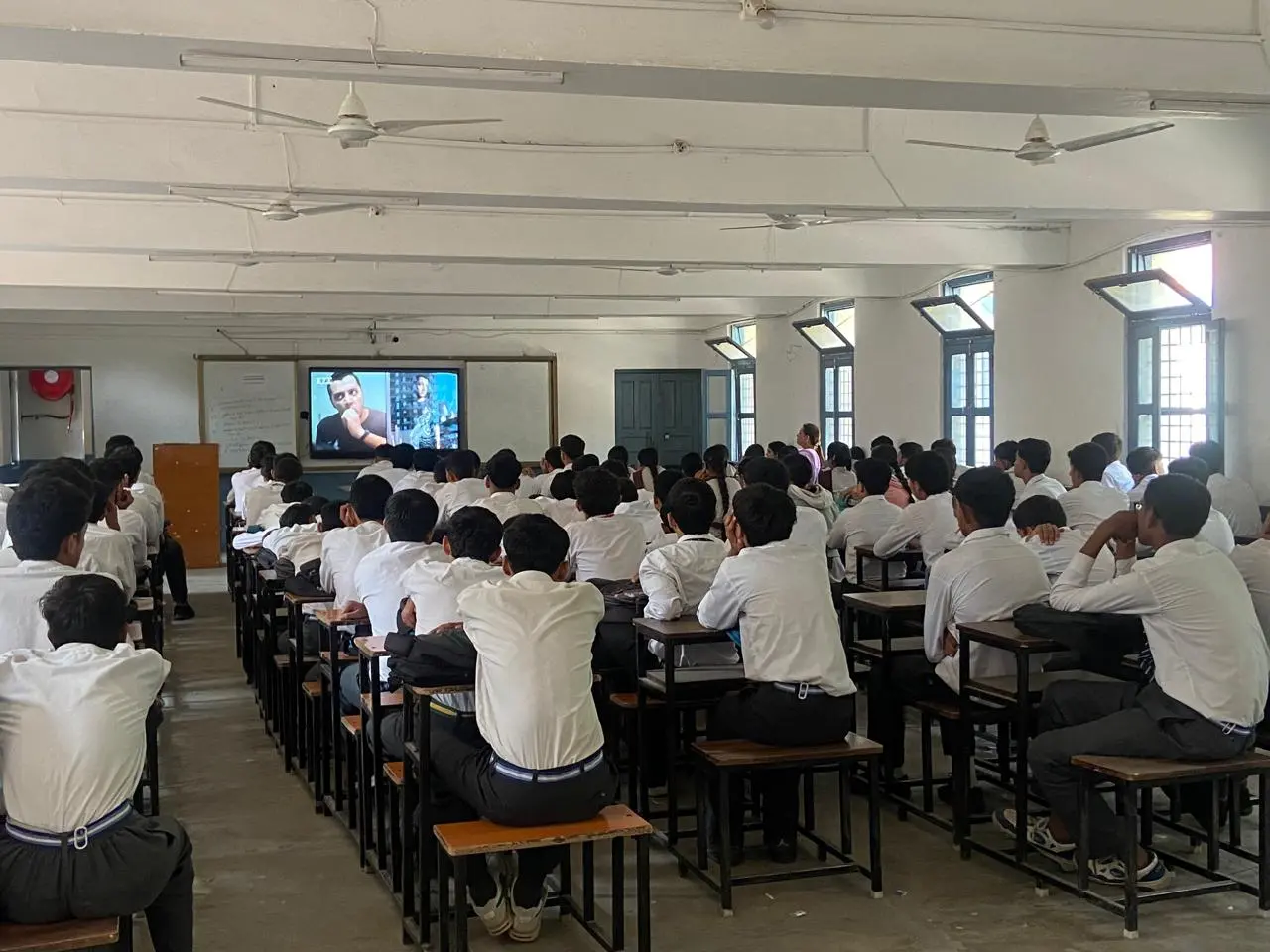
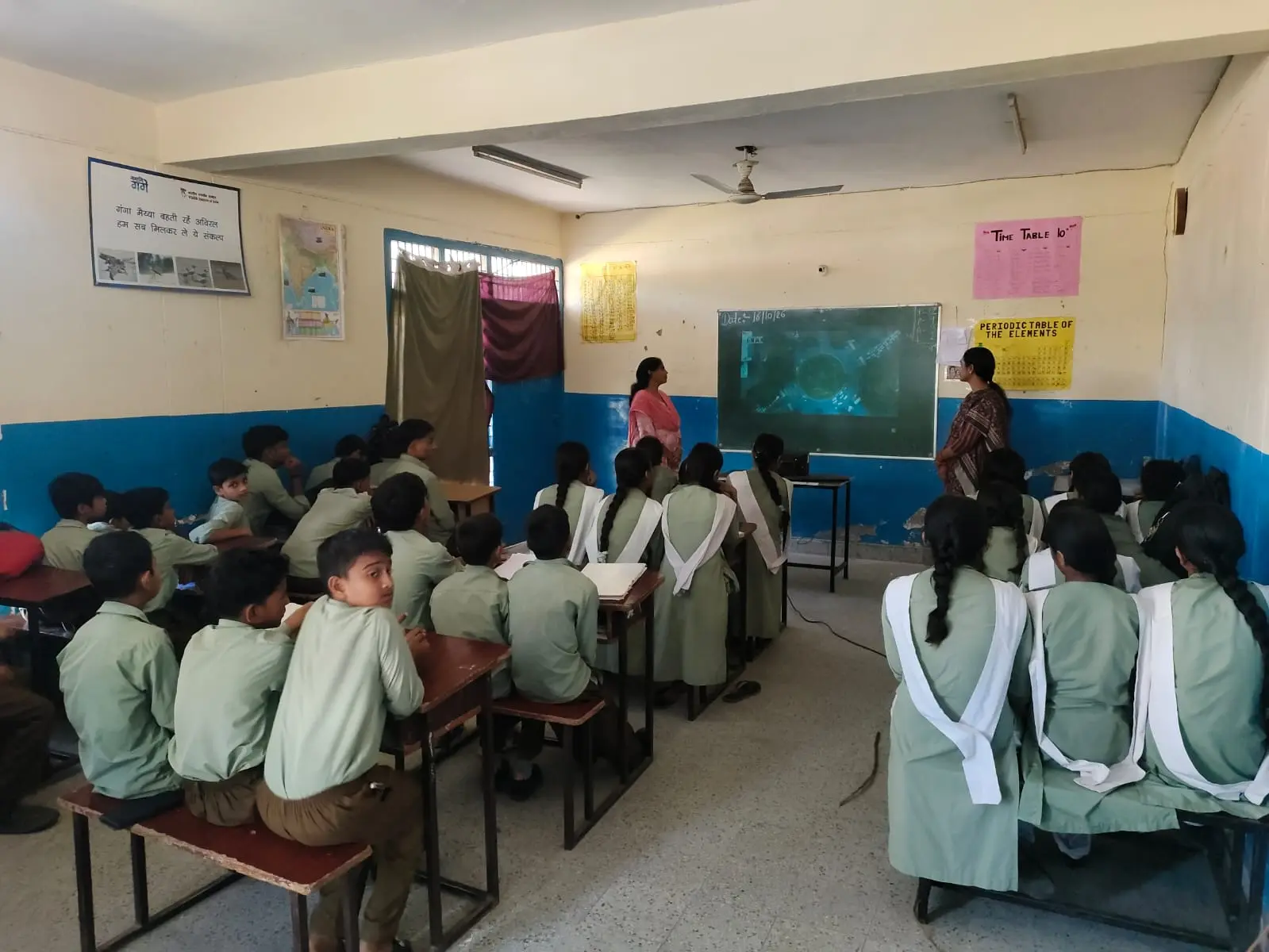
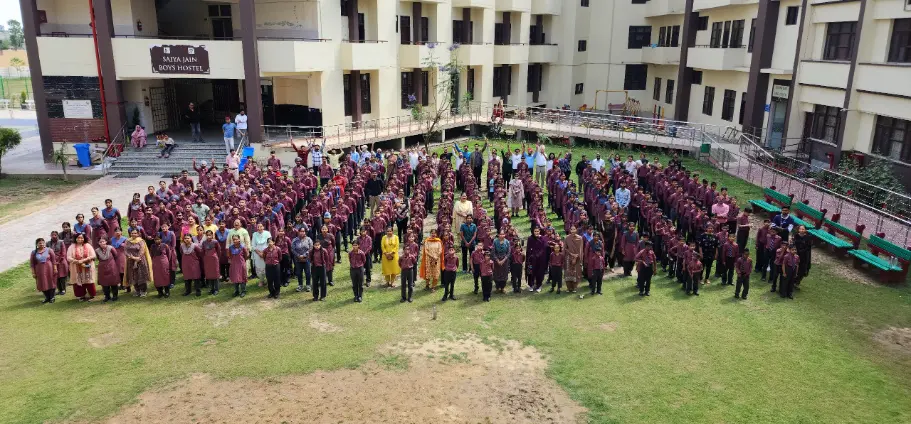
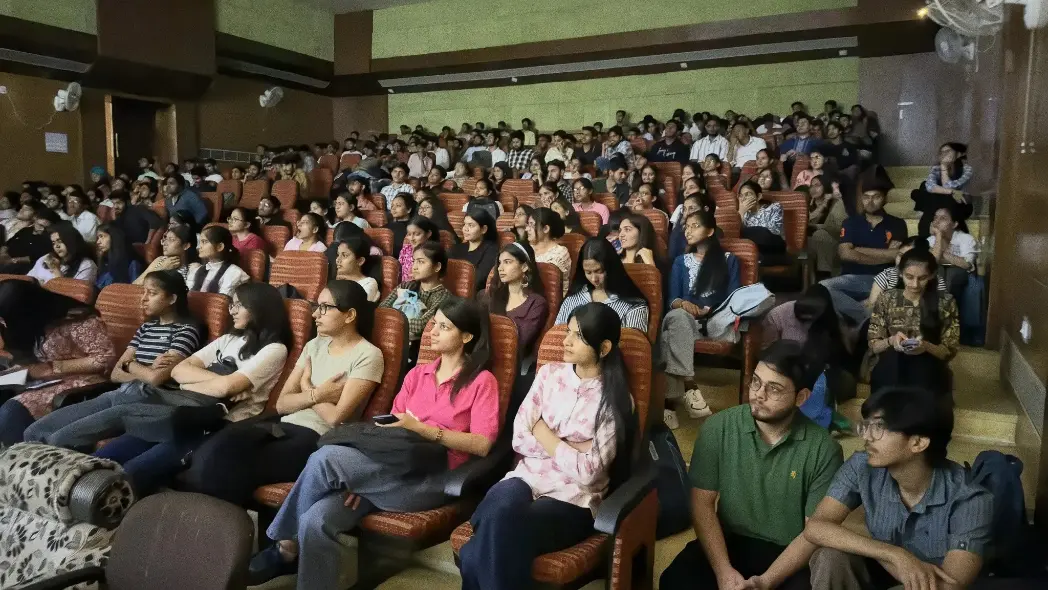
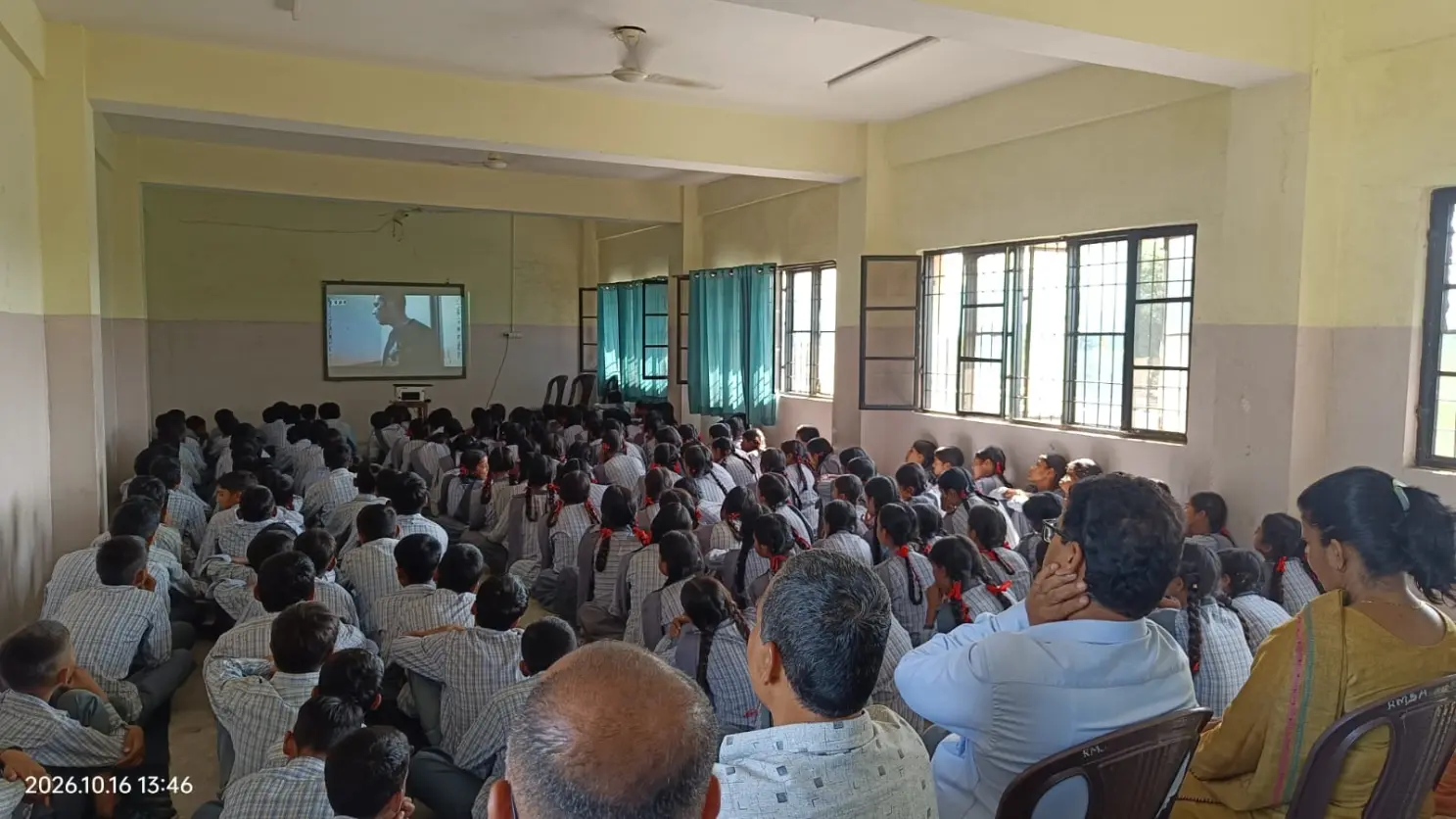
In a time when even critically acclaimed films rarely get this kind of sustained welcome from institutions, this milestone matters. Most films are celebrated for a few weeks and then forgotten. This one has been invited again and again by schools, colleges, NGOs and community groups, and watched together by people of different ages and abilities. It has shown how group viewing, and the conversations that follow it, can bring cinema and education closer, and how affordable, accessible cinema can serve learning, research and social reflection.
Where the 300 screenings came from
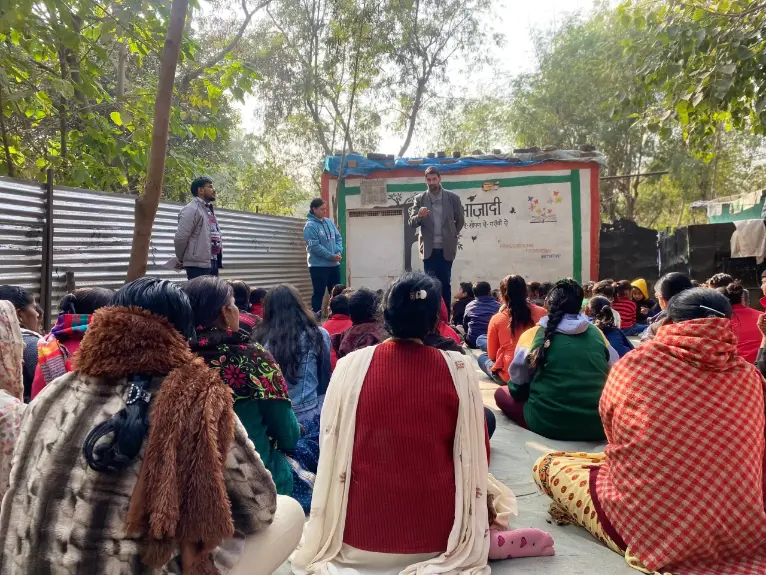
The strongest push came from schools. Educational institutions led the way, and private schools alone contributed more than 70% of the screenings, followed by NGOs. The audience split is nearly even between rural and urban, with screenings in villages and in institutions in rural regions as well as in cities.
The film has travelled across Chandigarh, Punjab, Goa, Haryana, Himachal Pradesh, New Delhi, Uttar Pradesh, Gujarat, Uttarakhand, Odisha, Jharkhand, Karnataka, Maharashtra and Kashmir. It has also reached California, Leicester, Dhaka and Janakpur.
What comes next
The journey is now being turned into a book. It gathers the collective reflections of the people who made the film and the audiences who watched it, along with a thorough impact analysis of the 300+ screenings. It is expected in early 2027. The complete records of the film’s journey are available here: https://pinakamediaworks.com/rabb-di-awaaz-wiki/
Invite Rabb Di Awaaz to your school, institution or community
Screenings are completely free. To host one, please contact:
Dr. Rimpi Arora +91 98726 79222
Three hundred screenings later, the film’s message is simple. When cinema is made for everyone and offered freely, it entertains, teaches and empowers, and people keep welcoming it. Rabb Di Awaaz stands as a reminder to meet each other with empathy and to see the beauty in inclusion.


Read further:
Recognition at home and abroad
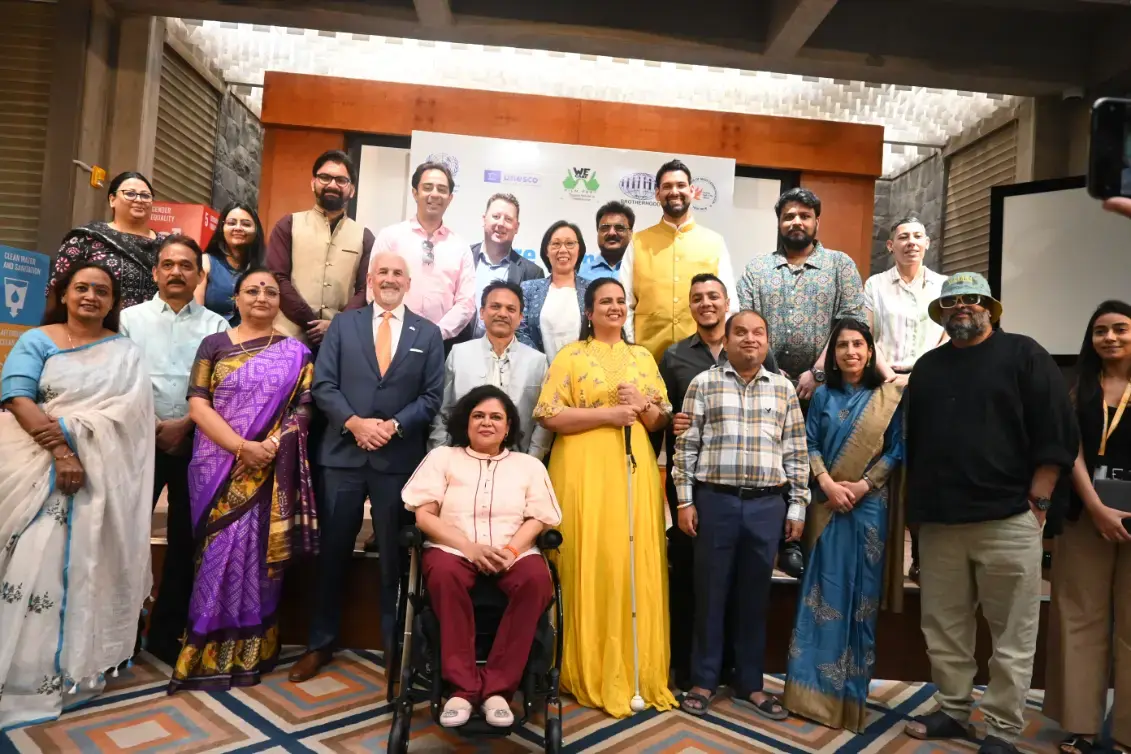
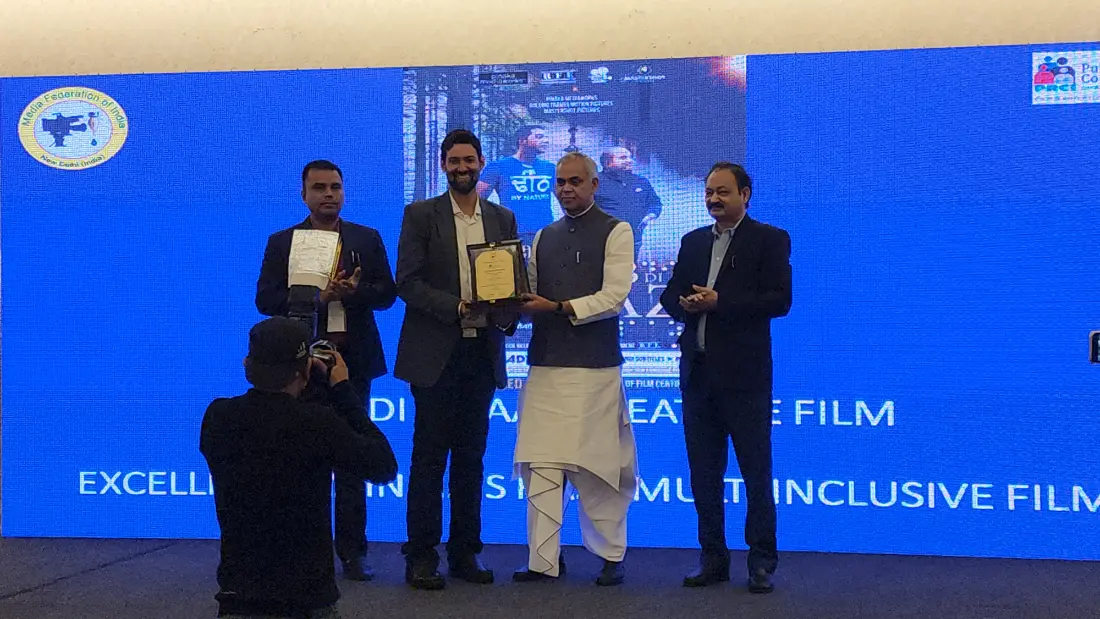
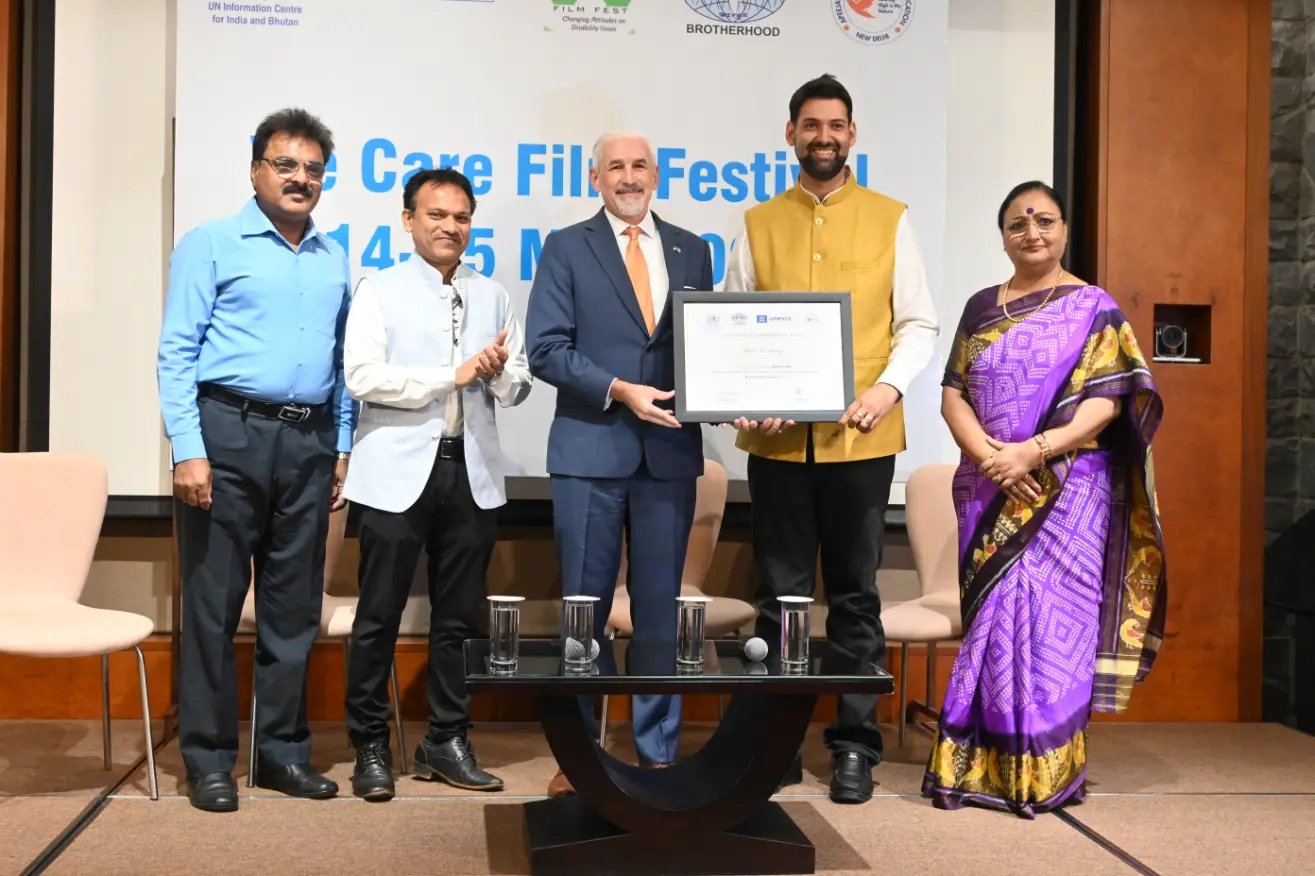
Rabb Di Awaaz received a Special Jury Award at the We Care Film Festival 2025. It was screened at the United Nations Information Centre at UN headquarters in New Delhi, and has been recognised jointly by the United Nations in India and UNESCO.
It was also invited by the Office of the State Commissioner for Persons with Disabilities, Government of Goa, during the International Purple Fest 2025. The makers later travelled to Rashtrapati Bhavan in New Delhi during Purple Fest 2025 to meet officials from various Commissionerates of Disability. In 2026 the film received the Rotary 3080 Utkarsh Award, and it is now being screened across seven districts of north India under a mandate floated by Rotary District 3080.
What makes it special: Entertainment, Education, Empowerment
At the heart of Rabb Di Awaaz is what its makers call the triple ‘E’ philosophy: Entertainment, Education and Empowerment. The film blends all three so naturally that audiences are engaged and informed at the same time.
As entertainment, it works because it feels real. The dialogues are simple, quirky and relatable, the characters are authentic, and the performances are genuinely strong. Ojaswwee Sharma’s distinctive direction keeps the story engaging and gives viewers plenty to think about long after it ends.
As education, it takes on themes that are rarely handled with care in mainstream cinema, such as inclusivity and mental health. It also shows the experiences and capabilities of people with disabilities that so often go unnoticed. Through nuanced characters, it gently challenges old assumptions and helps viewers understand each other better. And as empowerment, it stands out most. The film portrays resilient characters like Shiv Kumar Sharma with dignity, and its effect on viewers has been real. Actor Mohit Verma recently shared how repeated screenings of the film helped his uncle, who had recently lost his vision, find his sense of purpose and confidence again. His uncle said simply, “This film has changed my thinking.”
That one sentence says a lot about why the film keeps being invited back.
Cinema that speaks to the global goals
The film’s message connects with several United Nations Sustainable Development Goals: Good Health and Well-being (SDG 3), Quality Education (SDG 4), Gender Equality (SDG 5), Decent Work and Economic Growth (SDG 8), Reduced Inequalities (SDG 10) and Partnerships for the Goals (SDG 17).
Watch Rabb Di Awaaz
| Version | Best for | Watch on YouTube |
|---|---|---|
| Full movie | General audiences | Watch here |
| With Hindi Audio Description | Viewers with low vision or visual impairment | Watch here |
| With Indian Sign Language | Viewers who are deaf or hard of hearing | Watch here |
Read more
| Article | Link |
|---|---|
| 1,000 Days of Inclusive Storytelling: Rabb Di Awaaz Reaches Milestone in Film Inclusion and Accessibility | Read the article |
| Panjab University journal publishes scholarly study of Ojaswwee Sharma’s Rabb Di Awaaz | Read the study |
Rabb Di Awaaz is directed by National Award winning film director Ojaswwee Sharma. Produced by Pinaka Mediaworks, Rolling Frames Motion Pictures and Mastershot Pictures. Released worldwide by RFE TV Rolling Frames Entertainment and now supported by the Pinaka Global Welfare Foundation.